Butt Muscles: Anatomy and Activation for Women
Butt muscles are the gluteal muscle group consisting of the gluteus maximus, gluteus medius, and gluteus minimus. These three muscles work together to extend, abduct, and rotate the hip while stabilizing the pelvis during movement, making them essential for strength, posture, and functional fitness.
Your glutes are more than just an aesthetic feature—they're the powerhouse behind every squat, lunge, and step you take. Whether you're climbing stairs, sprinting for the bus, or lifting weights at the gym, your butt muscles are working hard to propel you forward and keep your body stable. Yet many women struggle to properly activate these crucial muscles, leading to weakness, imbalance, and even injury.
Understanding the anatomy of your glutes and learning how to activate them effectively can transform your training results and daily movement patterns. This comprehensive guide breaks down the structure of the gluteal muscle group, explains how each muscle functions, and provides actionable strategies to strengthen and activate your glutes for optimal performance and confidence.
You'll discover the specific roles each gluteal muscle plays, why proper activation matters for injury prevention, and evidence-based exercises that target these powerful muscles. Whether you're a beginner starting your fitness journey or an experienced lifter looking to maximize glute development, this guide will help you build stronger, more functional butt muscles.
Key Takeaways
- The gluteal group consists of three distinct muscles: gluteus maximus, gluteus medius, and gluteus minimus, each with specific functions
- Proper glute activation prevents compensation patterns that lead to lower back pain, knee issues, and hip dysfunction
- Compound exercises like squats and hip thrusts combined with targeted activation drills create comprehensive glute development
- Progressive overload through increased weight, volume, or time under tension is essential for building stronger butt muscles
- Consistency with glute training 2-3 times weekly produces measurable strength and physique improvements
Understanding Your Butt Muscles: The Gluteal Anatomy
The gluteal region contains three primary muscles that work synergistically to control hip movement and stabilize your pelvis. Each muscle has distinct anatomical positions and functional roles that contribute to overall lower body strength and movement quality. Understanding this anatomy helps you target each muscle effectively during training.
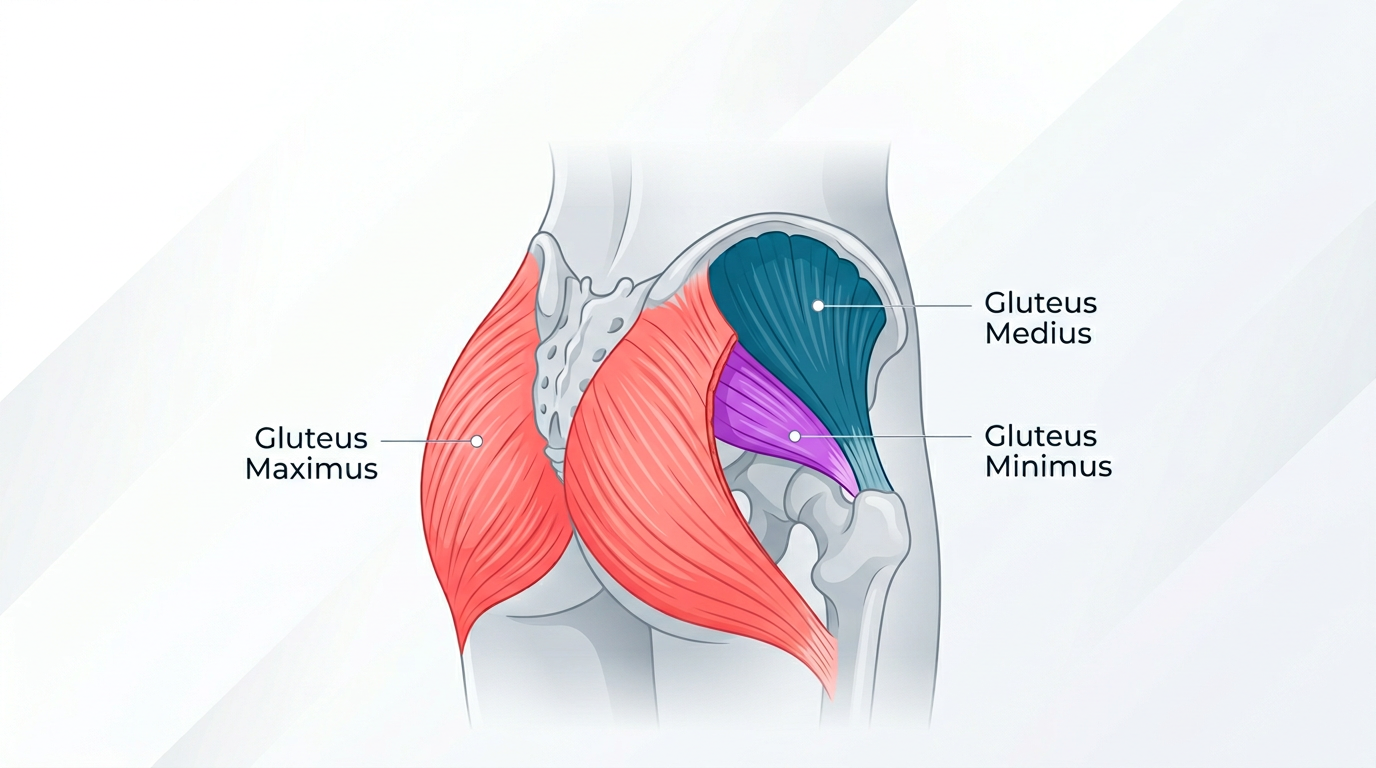
Anatomical diagram showing the three layers of butt muscles (gluteus maximus, medius, and minimus) with labels and different colors for each muscle
Gluteus Maximus: The Powerhouse
The gluteus maximus is the largest and most superficial of the three gluteal muscles, forming the prominent shape of your buttocks. This powerful muscle originates from the posterior ilium, sacrum, and coccyx, then inserts into the iliotibial tract and gluteal tuberosity of the femur.
Its primary functions include:
- Hip extension (moving your thigh backward behind your body)
- External rotation of the hip (turning your thigh outward)
- Upper fibers assist with hip abduction (moving leg away from midline)
- Lower fibers assist with hip adduction (bringing leg toward midline)
- Stabilizing the pelvis and trunk during standing and walking
The gluteus maximus activates most powerfully during explosive movements like sprinting, jumping, and heavy lifting. It's crucial for generating force during squats, deadlifts, and hip thrusts—exercises that should form the foundation of any glute-building program.
Gluteus Medius: The Stabilizer
Located beneath the gluteus maximus on the outer surface of the pelvis, the gluteus medius plays a critical role in pelvic stability. This fan-shaped muscle originates from the outer surface of the ilium and inserts on the greater trochanter of the femur.
The gluteus medius is responsible for:
- Hip abduction (lifting your leg out to the side)
- Internal rotation of the hip (anterior fibers)
- External rotation of the hip (posterior fibers)
- Preventing hip drop during single-leg stance
- Stabilizing the pelvis during walking and running
Weakness in the gluteus medius often manifests as hip drop during single-leg activities, leading to knee valgus (knee caving inward) and increased injury risk. Strengthening this muscle improves running mechanics, reduces knee pain, and enhances overall lower body stability.
Gluteus Minimus: The Deep Supporter
The smallest and deepest of the three gluteal muscles, the gluteus minimus lies directly beneath the gluteus medius. It shares a similar origin on the ilium and also inserts on the greater trochanter of the femur.
This muscle works alongside the gluteus medius to:
- Abduct the hip during movement
- Internally rotate the thigh
- Stabilize the hip joint during weight-bearing activities
- Maintain pelvic alignment during gait
While often overlooked, the gluteus minimus contributes significantly to hip health and functional movement patterns. Targeting this muscle requires specific exercises that emphasize hip abduction and internal rotation.
Why Glute Activation Matters for Women
Many women experience "gluteal amnesia" or dormant glute syndrome, where the butt muscles fail to activate properly during movement. This common issue stems from prolonged sitting, poor movement patterns, and compensation by other muscle groups. When your glutes don't fire correctly, other muscles must compensate, creating imbalances that compromise performance and increase injury risk.
The Consequences of Weak Glutes
Inactive or weak glutes create a cascade of biomechanical problems throughout your body. The lower back, hamstrings, and hip flexors often overwork to compensate for inadequate glute function, leading to chronic pain and dysfunction.
Common issues associated with poor glute activation include:
- Lower back pain from excessive lumbar extension during hip movements
- Knee pain and patellofemoral syndrome from inadequate pelvic control
- Hip pain and impingement from altered movement mechanics
- Hamstring strains from overcompensation during hip extension
- IT band syndrome resulting from weak hip stabilizers
- Poor posture and anterior pelvic tilt
Benefits of Strong, Activated Glutes
Developing strong butt muscles through proper training delivers benefits that extend far beyond aesthetics. Your glutes influence nearly every lower body movement and contribute significantly to overall functional fitness.
Well-developed glutes provide:
- Enhanced athletic performance in running, jumping, and lifting
- Improved posture and spinal alignment
- Reduced risk of lower body injuries
- Greater strength in compound movements like squats and deadlifts
- Better balance and stability during daily activities
- Increased metabolic rate due to larger muscle mass
- Enhanced confidence and body composition
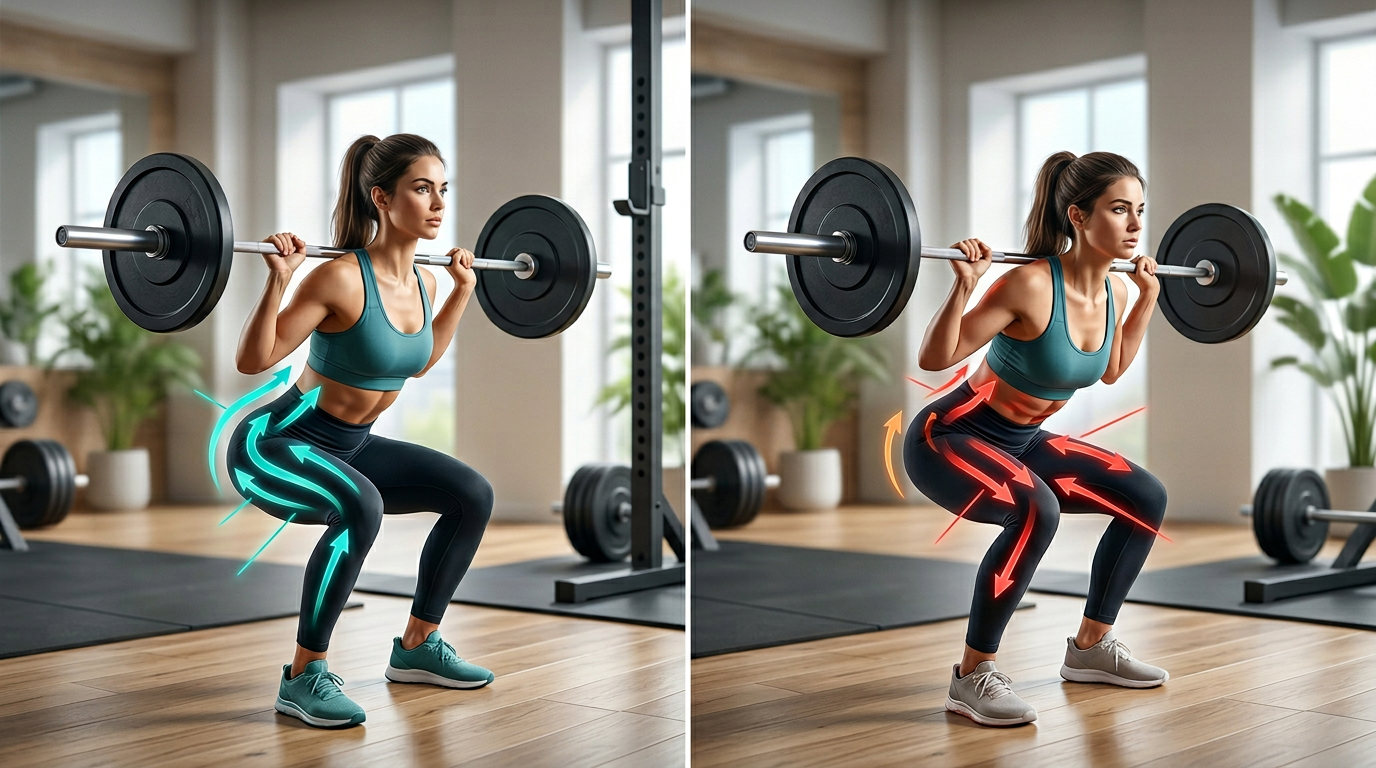
Comparison illustration showing proper glute activation versus compensation patterns during a squat, with arrows indicating muscle engagement
Common Causes of Glute Inhibition
Several factors contribute to poor glute activation in women. Identifying these causes helps you address the root problem rather than just treating symptoms. Understanding what inhibits your glutes allows you to implement targeted strategies that restore proper muscle function.
Prolonged Sitting and Sedentary Lifestyle
Extended periods of sitting place your glutes in a lengthened, inactive position. This chronic inactivity leads to reciprocal inhibition, where your hip flexors become tight and overactive while your glutes become weak and underactive.
The sitting position also reduces blood flow to the gluteal region and decreases neural drive to these muscles. Over time, your nervous system essentially "forgets" how to properly recruit your glutes during movement, creating the phenomenon known as gluteal amnesia.
Tight Hip Flexors and Adductors
Tight hip flexors create anterior pelvic tilt and inhibit glute activation through reciprocal inhibition. When muscles on one side of a joint are tight, the opposing muscles become inhibited and weak. This relationship between hip flexors and glutes means that addressing hip flexor tightness is often necessary before you can fully activate your butt muscles.
Similarly, tight adductors (inner thigh muscles) can limit hip extension range of motion and prevent optimal glute engagement. The adductors and glutes must work in coordination, and tightness in the adductors disrupts this relationship, forcing other muscles to compensate.
Poor Movement Patterns and Compensation
Years of improper movement mechanics train your body to use the wrong muscles for specific tasks. If you've learned to squat by pushing through your toes instead of your heels, or if you hyperextend your lower back instead of driving through your hips, your glutes never receive adequate stimulus to strengthen and grow.
These compensatory patterns become deeply ingrained in your motor control system. Breaking these habits requires conscious effort, proper cueing, and consistent practice of correct movement patterns.
How to Activate Your Butt Muscles Effectively
Proper glute activation begins before your main workout. Implementing targeted activation drills prepares your glutes to fire correctly during compound exercises, maximizing training effectiveness. Spending just 5-10 minutes on activation work dramatically improves muscle recruitment and exercise quality.
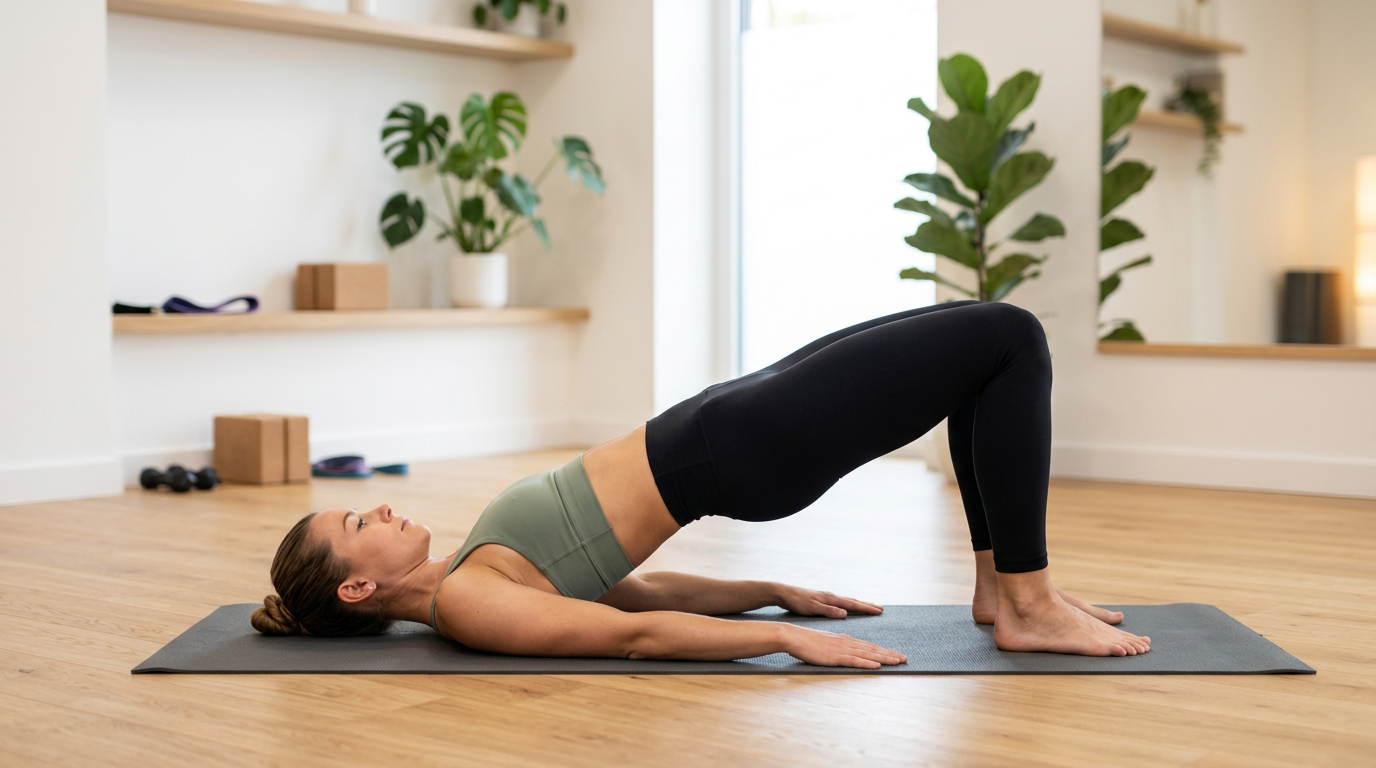
Woman performing glute bridge exercise with proper form, showing hip extension and neutral spine alignment
Essential Glute Activation Exercises
These exercises specifically target glute activation without requiring heavy loads. Perform them as part of your warm-up or as standalone sessions on recovery days.
Top activation exercises include:
- Glute Bridges: Lie on your back with knees bent and feet flat. Drive through your heels to lift your hips, squeezing your glutes at the top. Hold for 2-3 seconds before lowering. Perform 2-3 sets of 15-20 reps.
- Clamshells: Lie on your side with knees bent at 90 degrees. Keeping feet together, lift your top knee while maintaining hip stability. This targets the gluteus medius. Complete 2 sets of 20 reps per side.
- Fire Hydrants: From hands and knees, lift one leg out to the side while maintaining a 90-degree knee bend. Focus on initiating movement from your glutes, not your lower back. Perform 2 sets of 15 reps per side.
- Banded Walks: Place a resistance band around your thighs just above your knees. Step laterally while maintaining tension on the band and keeping knees pushed outward. Take 10 steps in each direction for 2-3 sets.
- Single-Leg Glute Bridges: Progress from regular bridges by extending one leg. Drive through the grounded heel to lift your hips while keeping your pelvis level. Complete 2 sets of 10-12 reps per leg.
Mind-Muscle Connection Techniques
Developing a strong mind-muscle connection with your glutes accelerates activation and strengthens neural pathways. This conscious focus on muscle contraction improves recruitment patterns during all exercises.
Try these techniques:
- Place your hands on your glutes during activation exercises to feel them contract
- Slow down the tempo of exercises to maintain constant tension
- Pause at peak contraction for 2-3 seconds on each rep
- Visualize your glutes contracting before initiating movement
- Use lighter weights initially to perfect form and feel the target muscle working
Best Exercises for Building Stronger Butt Muscles
After establishing proper activation, compound exercises provide the stimulus needed for significant strength and size gains. These movements allow you to progressively overload your glutes with heavier weights and greater volume. Combining compound lifts with targeted isolation work creates comprehensive glute development across all three muscles.
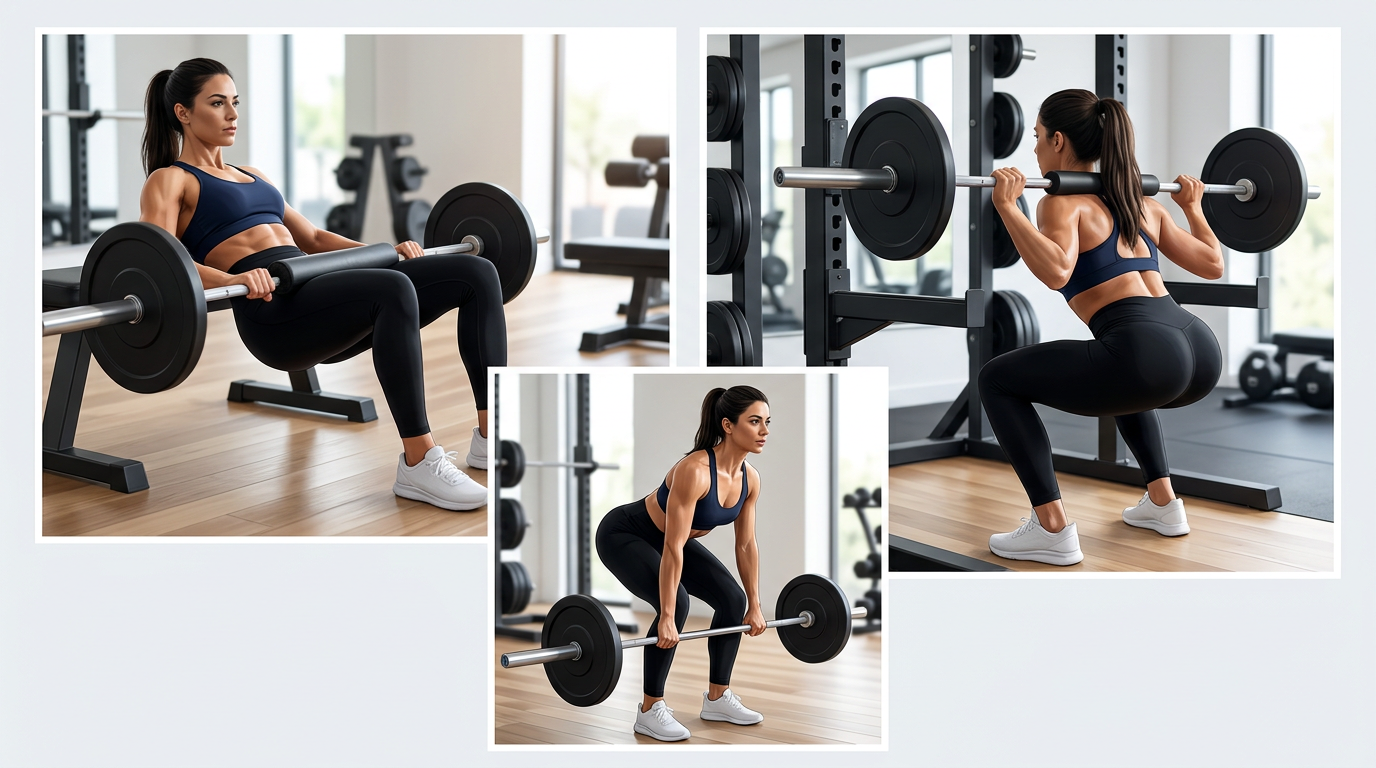
Collage showing proper form for hip thrust, squat, and Romanian deadlift exercises with focus on glute engagement
Hip Thrusts: The Ultimate Glute Builder
Research consistently shows that hip thrusts produce the highest glute activation of any exercise. This movement places your glutes in their optimal position for force production while minimizing lower back involvement.
To perform hip thrusts correctly:
- Position your upper back against a bench with feet flat on the floor, knees bent at 90 degrees
- Place a barbell across your hips (use a pad for comfort)
- Drive through your heels to lift your hips until your body forms a straight line from shoulders to knees
- Squeeze your glutes hard at the top for 1-2 seconds
- Lower with control and repeat for 8-12 reps
Progress by gradually increasing weight while maintaining perfect form. Aim for 3-4 sets of 8-12 reps, resting 2-3 minutes between sets to allow for adequate recovery.
Squats: The Foundational Movement
While squats are often considered a quad-dominant exercise, proper form emphasizes significant glute involvement. Deeper squats with an emphasis on sitting back recruit more glute fibers than shallow, quad-focused variations.
Key points for glute-focused squats:
- Use a wider stance with toes slightly turned out
- Sit back into your hips rather than dropping straight down
- Descend until your hip crease is below your knee (if mobility allows)
- Drive through your heels and squeeze your glutes as you stand
- Maintain a neutral spine throughout the movement
Romanian Deadlifts: Hip Hinge Mastery
Romanian deadlifts (RDLs) teach proper hip hinge mechanics while targeting the gluteus maximus and hamstrings. This exercise emphasizes the eccentric (lowering) phase, creating significant muscle tension and growth stimulus.
Execute RDLs by:
- Standing with feet hip-width apart, holding a barbell at thigh level
- Hinging at your hips while pushing them backward
- Lowering the bar along your thighs while maintaining a neutral spine
- Feeling a stretch in your hamstrings and glutes
- Driving your hips forward to return to standing, squeezing your glutes at the top
Lunges and Split Squats: Unilateral Strength
Single-leg exercises address strength imbalances while challenging stability and coordination. Bulgarian split squats and walking lunges particularly emphasize glute activation due to the hip extension required to return to standing.
These movements also engage the gluteus medius and minimus for pelvic stabilization, providing comprehensive glute development that bilateral exercises may miss.
Programming Your Glute Training
Strategic programming ensures consistent progress while allowing adequate recovery. Your glutes are large, resilient muscles that can handle substantial training volume when programmed intelligently. Training your butt muscles 2-3 times per week with varied exercises and rep ranges produces optimal results without overtraining.
Weekly Training Structure
Distribute glute work throughout your week to maximize frequency while managing fatigue. A sample weekly structure might include:
- Day 1 (Heavy): Hip thrusts 4x6-8, Squats 3x8-10, Romanian deadlifts 3x10-12
- Day 2 (Moderate/Activation): Glute bridges 3x15-20, Lateral band walks 3x20 steps, Clamshells 3x20
- Day 3 (Volume): Bulgarian split squats 3x12 per leg, Cable pull-throughs 3x15, Step-ups 3x12 per leg
Progressive Overload Strategies
Continuous improvement requires progressively increasing training demands. Your muscles adapt to stress by growing stronger, but only if you consistently challenge them beyond their current capacity.
Apply progressive overload through:
- Adding weight: Increase load by 2.5-5 pounds when you can complete all prescribed reps with good form
- Increasing volume: Add sets or reps to your exercises over time
- Improving tempo: Slow down the eccentric phase or add pauses at peak contraction
- Reducing rest periods: Decrease rest between sets to increase training density
- Advancing exercise variations: Progress from bodyweight to weighted versions or from bilateral to unilateral movements
Recovery and Rest
Muscle growth occurs during recovery, not during training. Your glutes need adequate rest between sessions to repair, adapt, and grow stronger. Training the same muscle group on consecutive days prevents full recovery and limits progress.
Allow at least 48 hours between intense glute sessions. Support recovery through adequate protein intake (0.7-1 gram per pound of body weight), sufficient sleep (7-9 hours nightly), and proper hydration.
Addressing Common Glute Training Mistakes
Even with proper exercise selection, technique errors can limit results and increase injury risk. Recognizing and correcting these mistakes ensures your training time produces maximum benefits. Small adjustments to form and programming often unlock significant improvements in glute development and strength.
Not Using Full Range of Motion
Partial reps limit muscle fiber recruitment and reduce the stretch-mediated hypertrophy response. Full range of motion exercises create greater mechanical tension and metabolic stress, both crucial for muscle growth.
For glute exercises, this means squatting to full depth, achieving complete hip extension at the top of hip thrusts, and controlling the eccentric phase of all movements. If you can't complete full range of motion, reduce the weight rather than shortening the movement.
Overemphasizing Isolation at the Expense of Compounds
While activation exercises and isolation movements have their place, compound exercises should form the foundation of your glute training. Movements like squats, hip thrusts, and deadlifts allow you to use heavy loads that create the stimulus necessary for significant strength and size gains.
Structure your workouts to prioritize compound movements when you're fresh, then finish with isolation exercises to accumulate additional volume and enhance the mind-muscle connection.
Neglecting the Gluteus Medius and Minimus
Many training programs focus exclusively on the gluteus maximus while ignoring the smaller gluteal muscles. This creates incomplete development and leaves you vulnerable to hip and knee issues caused by poor pelvic stability.
Include lateral movements like side-lying hip abduction, banded walks, and single-leg exercises to ensure comprehensive glute development across all three muscles.
Training Without Progressive Overload
Repeating the same workouts with the same weights week after week produces minimal results. Your body adapts to training stress, and continued progress requires continually increasing demands.
Track your workouts meticulously, recording weights, sets, and reps. Aim to improve at least one variable every 1-2 weeks to ensure consistent progress toward stronger, more developed butt muscles.
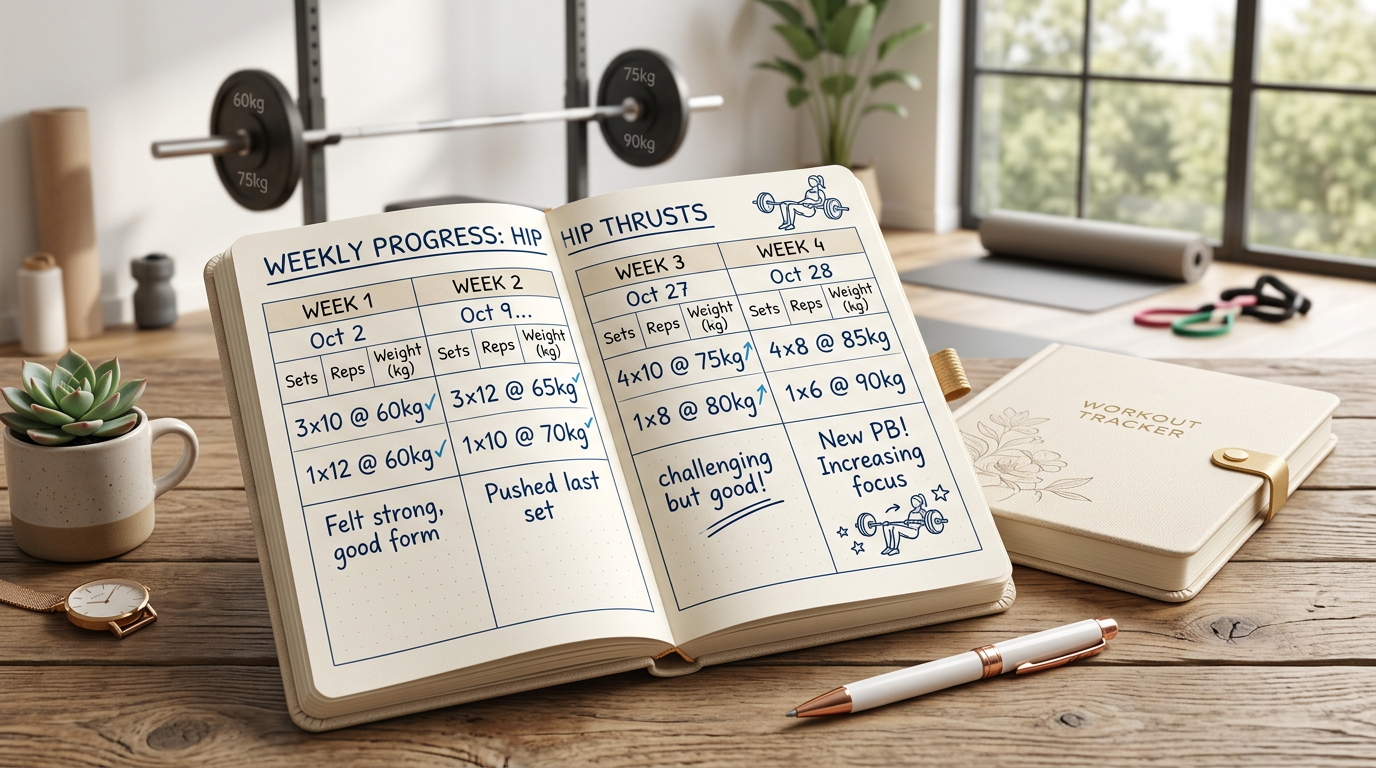
Workout tracking journal showing progressive overload with increasing weights and reps over 4 weeks for hip thrusts
Nutrition for Glute Growth
Training provides the stimulus for muscle growth, but nutrition supplies the building blocks. Without adequate calories and protein, your glutes cannot repair and grow regardless of how well you train. Combining intelligent training with proper nutrition creates the optimal environment for building stronger, more developed butt muscles.
Protein Requirements
Protein provides the amino acids necessary for muscle protein synthesis—the process by which your body repairs and builds muscle tissue. Consuming adequate protein throughout the day maintains a positive protein balance that supports muscle growth.
Aim for 0.7-1 gram of protein per pound of body weight daily, distributed across 3-4 meals. Quality protein sources include chicken, fish, eggs, Greek yogurt, lean beef, and plant-based options like tofu, tempeh, and legumes.
Caloric Surplus for Muscle Building
Building significant muscle mass requires consuming slightly more calories than you burn. This surplus provides the energy needed for training performance and the resources necessary for muscle growth.
A modest surplus of 200-300 calories above maintenance supports muscle growth while minimizing excess fat gain. Focus on nutrient-dense whole foods rather than empty calories to fuel your training and recovery.
Timing and Distribution
While total daily intake matters most, distributing protein and calories strategically throughout the day optimizes muscle protein synthesis. Consuming protein every 3-4 hours maintains elevated amino acid levels that support ongoing muscle repair.
Include a protein-rich meal or snack within 2 hours post-workout to capitalize on the enhanced muscle protein synthesis that occurs after training.
Frequently Asked Questions
What is your buttock muscle called?
Your buttock muscles are called the gluteal muscles or glutes, consisting of three distinct muscles: gluteus maximus, gluteus medius, and gluteus minimus. The gluteus maximus is the largest and forms the prominent shape of your buttocks, while the medius and minimus lie deeper and primarily stabilize your pelvis during movement.
What muscles in the buttocks cause pain?
Pain in the buttocks commonly originates from the gluteus medius and minimus when these stabilizing muscles become strained or develop trigger points. The piriformis muscle, located beneath the gluteus maximus, can also cause significant buttock and sciatic pain when tight or inflamed. Proper stretching, strengthening, and addressing movement imbalances typically resolve these issues.
Do tight adductors inhibit glutes?
Yes, tight adductors can inhibit glute activation by limiting hip extension range of motion and altering pelvic positioning. When adductors are excessively tight, they pull the pelvis into anterior tilt and restrict the hip's ability to fully extend, preventing optimal glute engagement during exercises. Addressing adductor tightness through stretching and foam rolling improves glute function.
How to get a big buttock?
Building bigger buttocks requires progressive resistance training focused on compound exercises like hip thrusts, squats, and deadlifts performed 2-3 times weekly. Combine heavy lifting with adequate protein intake and a slight caloric surplus to support muscle growth. Consistency with progressive overload over months produces measurable size increases in your glutes.
How long does it take to see results from glute training?
Most women notice improved glute activation and strength within 2-4 weeks of consistent training, while visible size changes typically appear after 8-12 weeks. Genetics, training intensity, nutrition, and consistency all influence the timeline. Tracking progress through measurements, photos, and strength gains provides objective evidence of improvement beyond subjective appearance.
Can you train glutes every day?
While light activation work can be performed daily, intense glute training requires 48 hours recovery between sessions for optimal growth. Training the same muscle group with heavy loads daily prevents adequate recovery and limits progress. Structure your program with 2-3 intense glute sessions weekly, supplemented by lighter activation work on other days if desired.
What are the best exercises for gluteus medius?
The best gluteus medius exercises include lateral band walks, clamshells, side-lying hip abduction, and single-leg exercises like Bulgarian split squats. These movements emphasize hip abduction and pelvic stabilization, directly targeting the medius. Performing 2-3 sets of 15-20 reps for these exercises 2-3 times weekly strengthens this crucial stabilizing muscle.
Conclusion
Understanding the anatomy and function of your butt muscles empowers you to train them effectively and build the strength you deserve. The three gluteal muscles work together to power your movements, stabilize your pelvis, and support your entire lower body through every activity. By implementing proper activation techniques, progressive resistance training, and strategic programming, you can develop stronger, more functional glutes that enhance both performance and confidence.
Remember that building impressive glute strength and development requires consistency, patience, and intelligent training over months and years. Focus on mastering proper form, progressively increasing training demands, and supporting your efforts with adequate nutrition and recovery. Every workout brings you closer to your goals, and the journey of building stronger butt muscles transforms not just your physique but your entire approach to movement and fitness.
Start with activation exercises to establish proper muscle recruitment, then build your program around compound movements that allow progressive overload.