Whether to drink a protein shake before or after workout depends on your goals. Post-workout protein (within 2 hours) optimizes muscle recovery and growth for most women. Pre-workout protein can reduce muscle breakdown during training and boost performance for early-morning or fasted workouts.
You've just crushed an incredible workout, and now you're standing in your kitchen wondering: should I have had that protein shake before I started training? Or is right now the perfect time? If you've ever felt confused about the best protein shake before or after workout timing, you're not alone.
This question ranks among the most common nutrition debates in women's fitness. The truth is, timing your protein intake strategically can significantly impact your strength gains, muscle recovery, and body composition results. Whether you're focused on building stronger glutes, increasing overall strength, or optimizing your post-workout recovery, understanding when to consume protein makes a measurable difference.
In this comprehensive guide, we'll break down the science behind protein timing, explore how your individual goals should influence your decision, and provide actionable strategies you can implement immediately. Created by certified trainer Shelley Darlington with 15+ years experience, this guide draws on both current research and real-world results. Let's dive into everything you need to know about protein shake timing to maximize your training results.
Key Takeaways
- Post-workout protein consumption (within 2 hours) maximizes muscle protein synthesis and recovery for most training goals
- Pre-workout protein benefits early-morning trainers, those doing fasted cardio, or women training for endurance events
- Total daily protein intake (0.7-1.0g per pound of body weight) matters more than precise timing for long-term results
- Combining protein with carbohydrates post-workout enhances glycogen replenishment and reduces muscle soreness
- Individual factors like training intensity, meal timing, and fitness goals should guide your personalized protein strategy
Understanding Protein Timing and Muscle Recovery
Before we determine the best protein shake before or after workout timing for your needs, it's essential to understand what happens in your body during and after exercise.
What Happens to Your Muscles During Exercise
When you engage in strength training or intense physical activity, you create microscopic tears in your muscle fibers. This process, called muscle protein breakdown, is completely normal and necessary for growth. Your body requires adequate protein to repair these micro-tears and build stronger, more resilient muscle tissue.
During your workout, your body is in a catabolic state, meaning it's breaking down stored energy and muscle tissue to fuel your performance. The intensity and duration of your training session determine how much breakdown occurs.
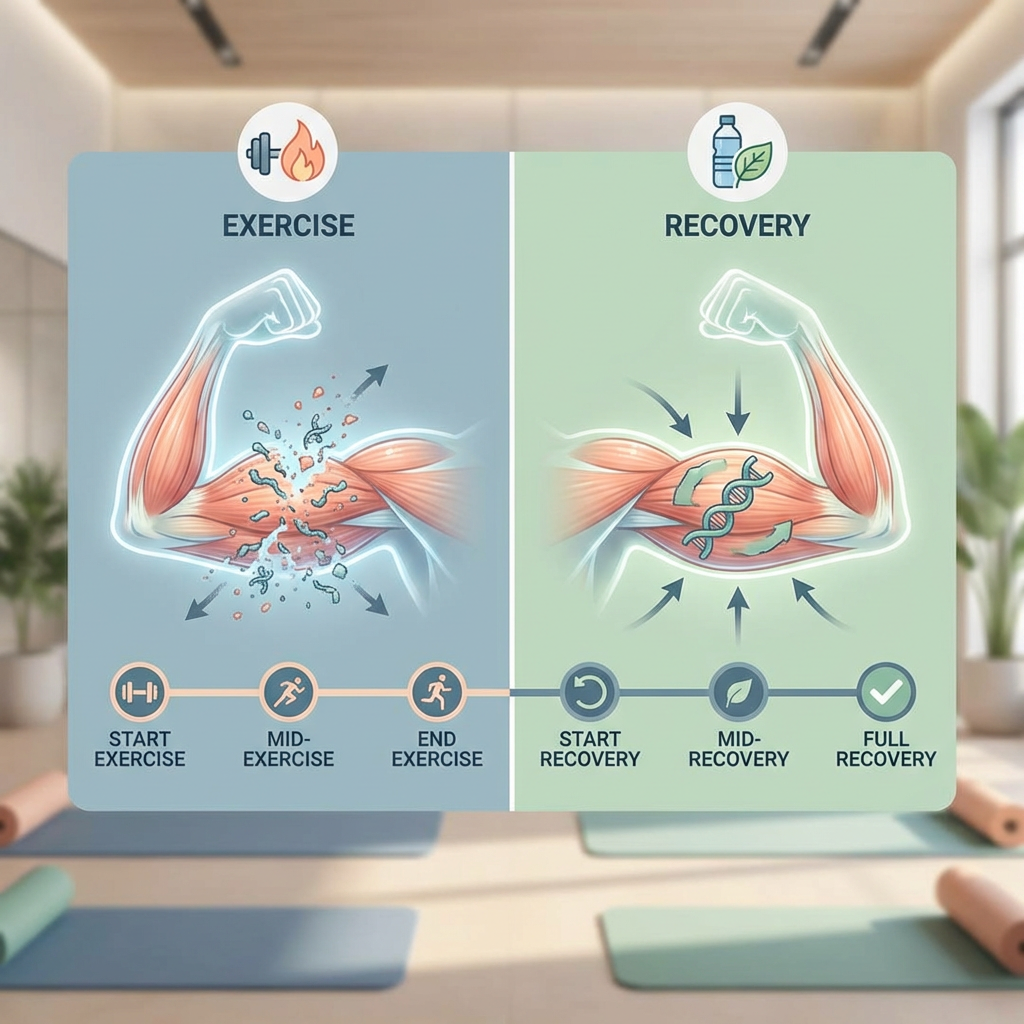
Infographic showing muscle protein breakdown during exercise and protein synthesis during recovery, with timeline markers
The Anabolic Window: Fact or Fiction?
You've probably heard about the "anabolic window"—that critical 30-minute post-workout period when your muscles supposedly absorb protein like a sponge. Recent research has revealed a more nuanced picture.
While muscle protein synthesis does increase after training, this elevated state actually lasts for 24-48 hours post-workout, not just 30 minutes. This means you have more flexibility with your protein timing than previously thought, though consuming protein within 2 hours post-workout remains optimal for most women.
How Protein Supports Your Fitness Goals
Protein serves multiple critical functions for active women:
- Muscle repair and growth: Provides amino acids necessary to rebuild damaged muscle fibers stronger than before
- Metabolic support: Helps maintain lean muscle mass, which increases your resting metabolic rate
- Satiety and appetite control: Keeps you feeling fuller longer, supporting body composition goals
- Immune function: Supports recovery and reduces inflammation after intense training sessions
- Hormone production: Essential for producing hormones that regulate metabolism and muscle growth
The Case for Post-Workout Protein Shakes
For most women focused on strength training and body recomposition, consuming your protein shake after your workout offers the greatest benefits. Let's explore why post-workout protein has become the gold standard recommendation.
Maximizing Muscle Protein Synthesis
After you finish training, your muscles are primed to absorb nutrients. Consuming 20-40 grams of high-quality protein within 2 hours post-workout maximizes muscle protein synthesis, the process by which your body builds new muscle tissue.
Research consistently shows that post-workout protein consumption leads to greater increases in lean muscle mass compared to delayed protein intake. For women 35+ focused on strength training and body recomposition, this timing advantage becomes increasingly important as natural muscle protein synthesis rates decline with age.
Accelerating Recovery and Reducing Soreness
Post-workout protein doesn't just build muscle—it also speeds up your recovery process. When you consume protein after training, you:
- Reduce delayed-onset muscle soreness (DOMS) by 20-30%
- Decrease muscle damage markers in your bloodstream
- Restore glycogen stores more efficiently when combined with carbohydrates
- Prepare your body for your next training session more quickly
Based on feedback from thousands of Strong Curves app users, women who consistently consume post-workout protein report feeling less sore and more capable of maintaining their training frequency.
Optimal Post-Workout Protein Strategies
To maximize your post-workout nutrition, follow these evidence-based guidelines:
- Timing: Consume your protein shake within 2 hours of finishing your workout, ideally within 60 minutes
- Amount: Aim for 20-40 grams of protein, depending on your body weight and training intensity
- Protein type: Choose fast-absorbing proteins like whey or plant-based blends with complete amino acid profiles
- Add carbohydrates: Include 30-60 grams of carbs to enhance glycogen replenishment and insulin response
- Stay hydrated: Drink 16-24 ounces of water alongside your shake to support nutrient absorption
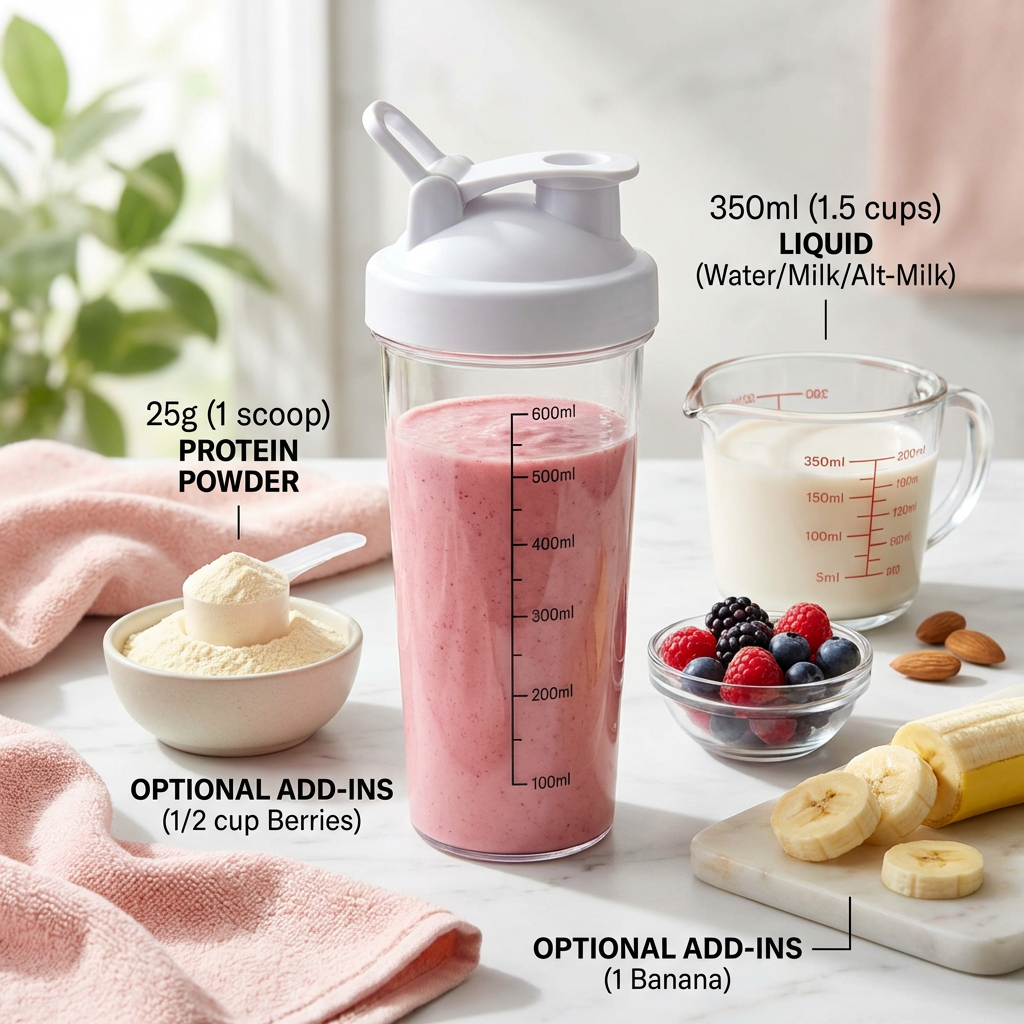
Visual guide showing ideal post-workout protein shake with measurements, including protein powder, liquid, and optional add-ins like banana or berries
The Case for Pre-Workout Protein Shakes
While post-workout protein works best for most scenarios, pre-workout protein offers distinct advantages for specific situations and training styles.
When Pre-Workout Protein Makes Sense
Pre-workout protein consumption is particularly beneficial for early-morning trainers who exercise before breakfast, women doing fasted cardio, or those with long gaps between meals. In these situations, having protein in your system before training can prevent excessive muscle breakdown during your workout.
If you train first thing in the morning after an 8-12 hour overnight fast, your body is in a catabolic state. Consuming protein 30-60 minutes before your workout provides amino acids that can reduce muscle protein breakdown during training.
Performance Benefits of Pre-Workout Protein
Beyond preventing muscle breakdown, pre-workout protein can enhance your training performance:
- Sustained energy: Provides steady amino acid availability throughout your workout
- Reduced fatigue: May decrease perception of effort during high-intensity training
- Better focus: Helps stabilize blood sugar for improved mental clarity
- Enhanced endurance: Particularly beneficial for workouts lasting longer than 60 minutes
Combining Pre and Post-Workout Protein
You don't have to choose just one approach. Many successful strength trainers use a "bookend" strategy, consuming protein both before and after workouts. This approach works especially well for:
- Women training for more than 90 minutes per session
- Those doing two-a-day training splits
- Athletes preparing for competitions or events
- Anyone struggling to meet daily protein targets through meals alone
If you choose this approach, aim for 10-20 grams pre-workout and 20-30 grams post-workout to avoid excessive protein intake in a short timeframe.
How to Choose the Best Protein Shake Before or After Workout Timing
Your ideal protein timing depends on several personal factors. Let's break down how to create your customized protein strategy.
Consider Your Training Schedule
Your workout timing significantly influences when you should consume protein:
Early morning workouts (5-7 AM): Consider a small pre-workout protein shake (10-15g) 30 minutes before training, followed by a larger post-workout shake (25-35g) within an hour of finishing.
Midday workouts (11 AM-2 PM): If you've eaten breakfast 2-3 hours before training, focus on post-workout protein. Your pre-workout meal provides sufficient amino acids during training.
Evening workouts (5-8 PM): Post-workout protein is typically ideal. Ensure you've had adequate protein at lunch, then prioritize your post-workout shake followed by a protein-rich dinner.
Align Timing with Your Fitness Goals
Different goals may benefit from different timing strategies:
- Building muscle and strength: Prioritize post-workout protein within 60-90 minutes of training
- Fat loss while preserving muscle: Post-workout protein helps maintain lean mass during caloric deficits
- Improving athletic performance: Consider pre-workout protein for sustained energy during longer sessions
- General fitness and health: Focus on total daily protein intake; timing flexibility is acceptable
Account for Your Last Meal
The timing of your previous meal dramatically impacts whether you need pre-workout protein. If you've eaten a protein-rich meal within 3-4 hours of training, amino acids are still circulating in your bloodstream, making pre-workout protein less critical.
However, if more than 4-5 hours have passed since your last protein-containing meal, pre-workout protein becomes more beneficial to prevent training in a depleted state.

Decision tree flowchart helping readers determine optimal protein shake timing based on workout time, last meal, and fitness goals
What Research Says About Protein Shake Timing
Let's examine what current scientific evidence reveals about the protein shake before or after workout debate.
Key Research Findings
A comprehensive 2017 meta-analysis published in the Journal of the International Society of Sports Nutrition examined 23 studies on protein timing. The research concluded that consuming protein within 2 hours post-workout produced significantly greater increases in muscle protein synthesis compared to delayed consumption.
However, the same research emphasized that total daily protein intake (0.7-1.0g per pound of body weight) had a greater impact on long-term muscle growth than precise timing alone.
The Total Daily Protein Priority
While timing optimization can provide a 10-15% advantage in results, meeting your total daily protein needs delivers 80-85% of the benefit. This means:
- A woman weighing 150 pounds should consume 105-150 grams of protein daily
- This protein should be distributed across 3-5 meals throughout the day
- Each meal should contain 20-40 grams of high-quality protein
- Workout timing represents one piece of a larger nutritional strategy
Individual Response Variation
Research also reveals significant individual variation in protein timing responses. Factors that influence your personal response include:
- Training experience: Beginners may see less dramatic timing effects than advanced lifters
- Age: Women over 35 may benefit more from strategic timing due to decreased protein synthesis efficiency
- Genetics: Some individuals naturally have higher or lower protein synthesis rates
- Sleep quality: Poor sleep reduces the benefits of optimal protein timing
Practical Protein Shake Timing Strategies
Now that you understand the science, let's translate it into actionable strategies you can implement immediately.
The Standard Post-Workout Protocol
For most women following the Strong Curves glute-focused approach to functional fitness, this protocol delivers excellent results:
- Complete your strength training workout (45-75 minutes)
- Within 30-60 minutes, consume a protein shake with 25-35g protein
- Add 40-60g carbohydrates (banana, berries, oats, or honey)
- Drink 16-24 ounces of water
- Eat a complete meal with protein and vegetables within 2-3 hours
The Early Morning Trainer Protocol
If you train before breakfast, try this approach:
- Upon waking, consume 10-15g protein with 15-20g carbs (half a shake or protein bar)
- Wait 20-30 minutes, then begin your workout
- Immediately post-workout, consume a full shake with 25-30g protein and 40-50g carbs
- Eat a protein-rich breakfast within 90 minutes
The Convenience-Focused Protocol
For busy women who need maximum flexibility:
- Ensure you've consumed protein within 3-4 hours before training
- Focus primarily on post-workout protein within 2 hours of finishing
- If you miss the 2-hour window, don't stress—consume protein as soon as possible
- Prioritize hitting your total daily protein target above perfect timing
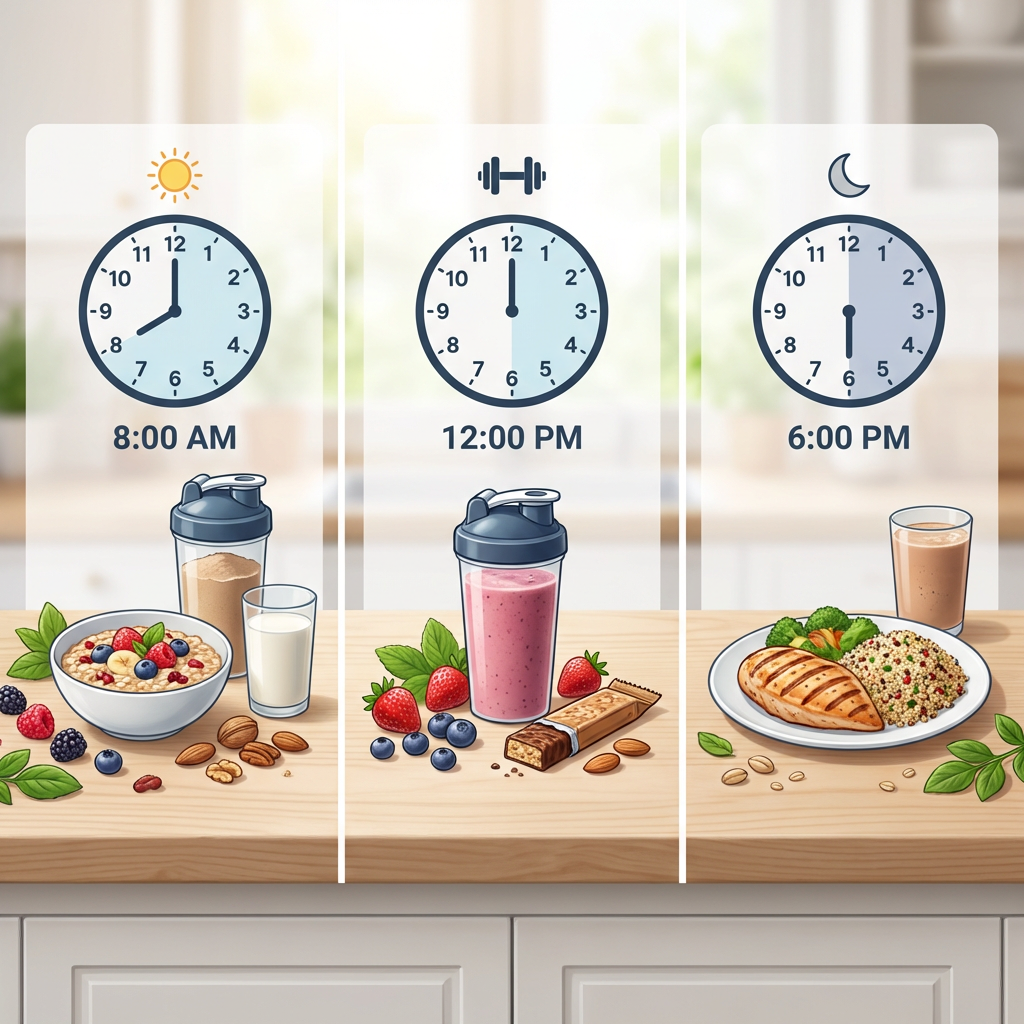
Side-by-side comparison showing three different protein timing protocols with clock icons and meal/shake illustrations
Common Protein Shake Timing Mistakes to Avoid
Even with good intentions, many women make timing errors that compromise their results. Here are the most common mistakes and how to fix them.
Mistake #1: Waiting Too Long After Training
While the anabolic window extends beyond 30 minutes, waiting more than 3-4 hours to consume protein after training significantly reduces muscle protein synthesis. If your schedule makes immediate post-workout nutrition difficult, prepare your shake in advance or keep ready-to-drink options available.
Mistake #2: Consuming Too Much Protein at Once
Your body can only utilize approximately 30-40 grams of protein for muscle building in a single sitting. Consuming 50+ grams in one shake doesn't provide additional benefits and may cause digestive discomfort. Distribute your protein intake across multiple meals instead.
Mistake #3: Neglecting Carbohydrates Post-Workout
Many women focus solely on protein while ignoring carbohydrates after training. This is a mistake. Combining protein with carbohydrates post-workout enhances insulin response, which drives amino acids into muscle cells more effectively. Aim for a 1:1 or 2:1 carb-to-protein ratio.
Mistake #4: Choosing the Wrong Protein Type
Not all proteins are created equal for workout timing:
- Post-workout: Choose fast-absorbing proteins like whey isolate or hydrolyzed whey
- Pre-workout: Whey protein or plant-based blends work well
- Avoid pre-workout: Casein protein, which digests slowly and may cause bloating during training
Mistake #5: Obsessing Over Timing While Ignoring Total Intake
The biggest mistake is perfecting your timing while failing to meet your daily protein requirements. If you're only consuming 50-60 grams of protein daily, timing optimization won't compensate for inadequate total intake. Master your daily protein target first, then refine your timing strategy.
Customizing Your Protein Strategy for Different Training Styles
Different types of workouts may benefit from adjusted protein timing approaches.
Strength Training and Resistance Workouts
For traditional strength training sessions (the foundation of effective body recomposition), post-workout protein within 60-90 minutes delivers optimal results. Trusted by over 50,000 women worldwide, this approach consistently produces measurable strength gains and muscle development.
Focus on 25-35 grams of complete protein containing all essential amino acids, particularly leucine, which triggers muscle protein synthesis.
High-Intensity Interval Training (HIIT)
HIIT workouts deplete glycogen stores rapidly while also creating muscle damage. For these sessions:
- Prioritize post-workout nutrition within 30-60 minutes
- Increase carbohydrate content to 50-70 grams alongside 25-30g protein
- Consider adding electrolytes to support hydration
Steady-State Cardio
Moderate-intensity cardio (30-60 minutes) creates less muscle damage than strength training. Post-workout protein is still beneficial but less critical. If you're doing cardio for fat loss while preserving muscle, consume 15-25 grams of protein post-workout.
Long-Duration Training (90+ Minutes)
For extended training sessions, consider consuming protein both before and during your workout:
- Pre-workout: 10-15g protein 30-45 minutes before starting
- During workout: 10-15g protein at the 60-minute mark for sessions exceeding 90 minutes
- Post-workout: 25-35g protein within 60 minutes of finishing
Building Your Complete Protein Timing Plan
Let's put everything together into a comprehensive, personalized protein timing strategy you can implement starting today.
Step 1: Calculate Your Daily Protein Needs
Begin by determining your total daily protein target:
- Moderate activity: 0.7g per pound of body weight
- Regular strength training: 0.8g per pound of body weight
- Intensive training or fat loss: 1.0g per pound of body weight
Example: A 140-pound woman doing regular strength training needs approximately 112 grams of protein daily (140 × 0.8 = 112g).
Step 2: Distribute Protein Throughout Your Day
Divide your total protein across 4-5 meals and snacks, aiming for 20-30 grams per eating occasion. This distribution maximizes muscle protein synthesis throughout the day.
Step 3: Optimize Your Workout Window
Based on your training schedule and goals, choose your primary protein timing strategy:
- Option A (Most Common): Post-workout protein only, within 60-90 minutes of training
- Option B (Early Morning Trainers): Small pre-workout shake + larger post-workout shake
- Option C (Long Training Sessions): Pre, during, and post-workout protein
Step 4: Prepare for Success
Practical preparation ensures consistency:
- Pre-portion protein powder in small containers or bags
- Keep a shaker bottle in your gym bag
- Store backup ready-to-drink protein shakes in your car or office
- Set phone reminders for protein consumption if needed
- Track your intake for 2-3 weeks to establish the habit
Step 5: Monitor and Adjust
Give your chosen protein timing strategy 4-6 weeks before evaluating results. Track these metrics:
- Strength gains on key exercises
- Recovery time between workouts
- Energy levels during training
- Body composition changes (measurements, progress photos)
- How you feel overall
If you're not seeing expected progress, adjust your timing or total protein intake before making other changes. For more guidance on tracking your progress effectively, explore comprehensive body recomposition strategies that complement your protein timing approach.
Frequently Asked Questions
Is it better to drink protein shake before or after workout?
For most women, drinking a protein shake after your workout is better for maximizing muscle growth and recovery. Post-workout protein consumed within 2 hours optimizes muscle protein synthesis. Pre-workout protein benefits early-morning trainers or those exercising on an empty stomach by reducing muscle breakdown during training.
How much protein should I consume in my post-workout shake?
Aim for 25-35 grams of protein in your post-workout shake, depending on your body weight and training intensity. This amount maximizes muscle protein synthesis without exceeding your body's capacity to utilize protein effectively. Women under 130 pounds may need closer to 20-25 grams.
Can I drink a protein shake on an empty stomach before working out?
Yes, drinking a protein shake on an empty stomach before working out is safe and beneficial for early-morning trainers. Consume 10-20 grams of protein 30-45 minutes before training to reduce muscle breakdown. Choose easily digestible proteins like whey isolate to avoid digestive discomfort during exercise.
What happens if I miss my post-workout protein window?
Missing the immediate post-workout window isn't catastrophic, as muscle protein synthesis remains elevated for 24-48 hours after training. Consume protein as soon as possible, ideally within 3-4 hours of finishing your workout. Meeting your total daily protein needs matters more than perfect timing for long-term results.
Should I add carbohydrates to my post-workout protein shake?
Yes, adding 40-60 grams of carbohydrates to your post-workout protein shake enhances recovery by replenishing glycogen stores and improving insulin response. This combination drives amino acids into muscle cells more effectively. Good options include banana, berries, oats, or honey blended with your protein powder.
Is whey protein or plant protein better for workout recovery?
Whey protein absorbs faster and contains higher leucine content, making it slightly more effective for immediate post-workout recovery. However, high-quality plant protein blends with complete amino acid profiles produce comparable results. Choose based on dietary preferences, digestion tolerance, and ingredient quality rather than solely on protein source.
How long should I wait after drinking a protein shake to work out?
Wait 30-45 minutes after drinking a protein shake before working out to allow for initial digestion and avoid stomach discomfort. If your shake is small (10-15g protein), 20-30 minutes may suffice. Larger shakes with added ingredients may require 45-60 minutes for comfortable training.
Conclusion: Your Protein Timing Action Plan
Understanding whether to consume your protein shake before or after workout doesn't have to be complicated. The research is clear: for most women focused on building strength and improving body composition, post-workout protein within 2 hours of training delivers optimal results.
Here are your key takeaways to implement immediately:
- Prioritize post-workout protein: Consume 25-35 grams within 60-90 minutes of finishing your strength training
- Add carbohydrates: Include 40-60 grams of carbs with your post-workout shake to enhance recovery
- Consider pre-workout protein: If you train early morning or haven't eaten in 4+ hours, add 10-15 grams before training
- Focus on total daily intake: Meeting your protein target (0.7-1.0g per pound of body weight) matters more than perfect timing
- Stay consistent: Regular protein consumption around your workouts produces better results than sporadic optimization
Remember, the best protein shake before or after workout timing is the one you'll actually follow consistently. Start with post-workout protein as your foundation, then refine your approach based on your individual response, schedule, and goals.
Ready to take your training to the next level? The Strong Curves app provides personalized workout programs, nutrition guidance, and progress tracking designed specifically for women. Learn more about science-based training programs for strength and body recomposition that complement your optimized nutrition strategy. Join thousands of women who are building strength, confidence, and the bodies they've always wanted through consistent training and smart nutrition timing.
What's your current protein timing strategy? Have you noticed differences in your recovery or results based on when you consume protein? Share your experience in the comments below!