Butt Cellulite: Causes, Fixes & Prevention
Butt cellulite is dimpled skin caused by fat pushing against connective tissue beneath the skin's surface. The most effective approaches include strength training for glute development, maintaining healthy body composition, improving skin elasticity through hydration and nutrition, and using evidence-based treatments like acoustic wave therapy for visible reduction.
If you've noticed dimpled or uneven skin texture on your buttocks, you're far from alone. Butt cellulite affects the vast majority of women regardless of fitness level, body size, or age. While it's often portrayed as something to hide or fix, cellulite is completely normal and has nothing to do with your health or fitness dedication.
That said, understanding what causes cellulite and which strategies actually work can help you make informed decisions about your body. This comprehensive guide breaks down the science behind butt cellulite, explores evidence-based treatments that deliver results, and shares prevention strategies rooted in strength training and wellness practices.
Whether you're looking to reduce the appearance of existing cellulite or prevent further development, you'll discover actionable steps that align with your fitness goals. Let's separate the myths from the facts and empower you with knowledge that actually works.
Key Takeaways
- Cellulite is a natural structural difference in how fat, connective tissue, and skin interact—not a flaw or sign of poor health
- Strength training that builds glute muscle can improve skin appearance by creating a firmer foundation beneath the surface
- No single solution eliminates cellulite completely, but combining muscle development, body composition management, and skin health creates visible improvements
- Prevention focuses on maintaining muscle mass, staying hydrated, supporting collagen production, and avoiding rapid weight fluctuations
- Evidence-based treatments like acoustic wave therapy and laser procedures show promising results when combined with fitness practices
What Is Butt Cellulite and Why Does It Happen?
Butt cellulite appears when subcutaneous fat pushes through the fibrous connective tissue bands beneath your skin, creating the characteristic dimpled or cottage cheese appearance. This happens primarily on the buttocks and thighs because of how fat cells and connective tissue are structured in these areas.
Unlike visceral fat that surrounds your organs, cellulite involves subcutaneous fat—the layer of fat directly beneath your skin. The connective tissue bands (called septae) that attach your skin to deeper structures run vertically in women, creating chambers where fat can bulge through. In men, these bands run diagonally, which is why cellulite is far less common in male bodies.
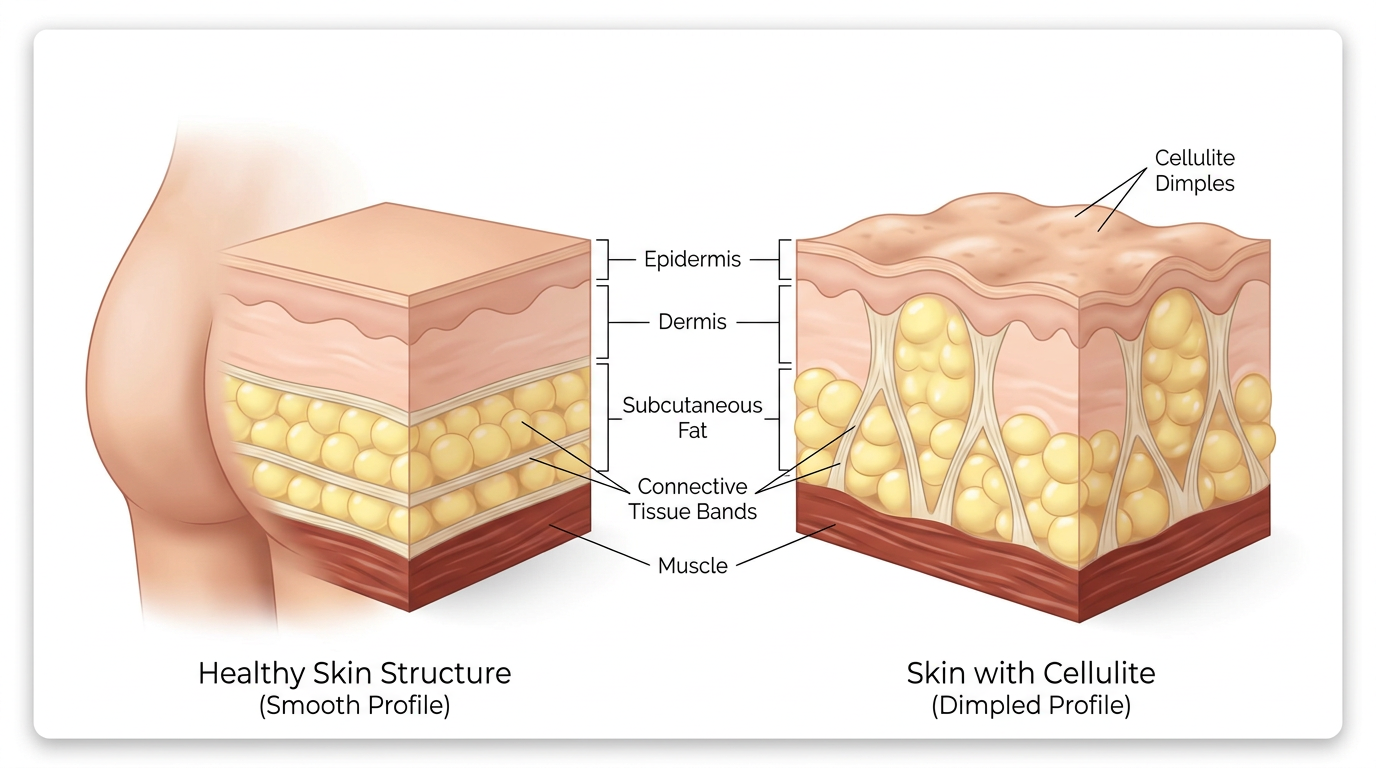
Cross-section diagram showing the difference between skin with and without cellulite, illustrating fat cells, connective tissue bands, and skin layers on the buttocks
The Structural Factors Behind Cellulite
Several anatomical factors contribute to cellulite development on your buttocks:
- Connective tissue architecture: The perpendicular arrangement of fibrous bands in female bodies creates pockets where fat can protrude
- Skin thickness: Thinner skin shows underlying fat structure more readily, making cellulite more visible
- Fat distribution patterns: Hormones direct fat storage to hips, thighs, and buttocks in women, increasing cellulite likelihood in these areas
- Collagen integrity: Weakened or damaged collagen in connective tissue allows more fat to push through
- Circulation and lymphatic drainage: Reduced blood flow and fluid retention can worsen the appearance of cellulite
Hormonal Influences on Cellulite Formation
Estrogen plays a significant role in cellulite development. This hormone influences fat distribution, connective tissue structure, and circulation in ways that promote cellulite formation. As estrogen levels fluctuate during puberty, pregnancy, and perimenopause, cellulite often becomes more noticeable.
Insulin, cortisol, and thyroid hormones also affect how your body stores fat and maintains connective tissue. Chronic stress elevating cortisol can contribute to fat accumulation in cellulite-prone areas, while thyroid dysfunction may affect skin elasticity and metabolism.
Genetic and Lifestyle Contributors
Your genetics influence cellulite susceptibility by determining your skin structure, fat distribution patterns, and metabolic characteristics. If your mother or sisters have cellulite, you're more likely to develop it regardless of your fitness level.
Lifestyle factors that can worsen cellulite appearance include:
- Sedentary behavior that reduces muscle tone and circulation
- Poor nutrition lacking in antioxidants and collagen-supporting nutrients
- Dehydration affecting skin elasticity and plumpness
- Smoking that damages collagen and reduces circulation
- Rapid weight gain or loss that stretches or loosens skin
- High sodium intake causing fluid retention
Will Growing Your Glutes Get Rid of Cellulite?
Building glute muscle through strength training can significantly improve the appearance of butt cellulite by creating a firmer foundation that smooths the skin's surface, though it won't eliminate cellulite completely. When you develop your gluteus maximus, medius, and minimus, you're essentially filling out the space beneath your skin with metabolically active muscle tissue.
This muscle development creates several beneficial effects. First, increased muscle mass tightens and lifts the buttocks, which can stretch the skin slightly and reduce the dimpled appearance. Second, the firmer underlying structure provides more support for the skin and fat layers above it. Third, muscle tissue is denser than fat, so replacing some fat with muscle changes the overall composition and appearance.
The Best Glute Exercises for Cellulite Improvement
Focus on compound movements that target all three glute muscles with progressive overload:
- Hip thrusts and glute bridges: These exercises maximize glute activation and allow for heavy loading, building substantial muscle in the exact area where cellulite appears
- Bulgarian split squats: Unilateral work ensures balanced development and targets the gluteus medius for side smoothness
- Romanian deadlifts: These strengthen the glutes and hamstrings while improving the back-of-thigh appearance
- Cable kickbacks and pull-throughs: Isolation exercises that create a strong mind-muscle connection and target specific areas
- Lateral band walks: These activate the gluteus medius, improving hip contour and side profile
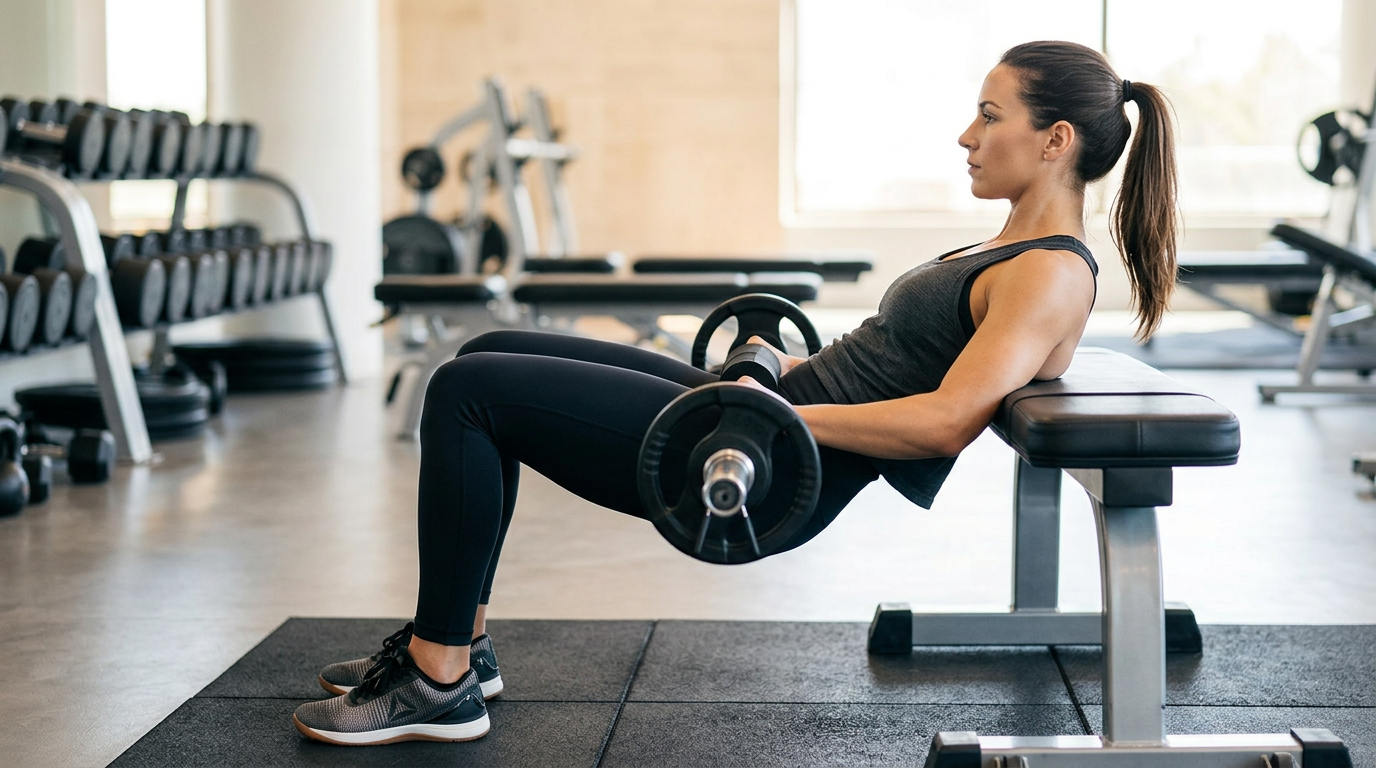
Woman performing a barbell hip thrust exercise with proper form, demonstrating glute activation for cellulite improvement
Progressive Overload for Maximum Results
Building enough muscle to visibly impact cellulite requires consistent progressive overload. This means gradually increasing the challenge to your muscles through heavier weights, more repetitions, additional sets, or increased time under tension.
Train your glutes 2-4 times per week with adequate recovery between sessions. Include a mix of heavy compound lifts (3-4 sets of 6-10 reps) and higher-rep accessory work (3-4 sets of 12-20 reps). Track your workouts to ensure you're progressing over time rather than repeating the same routine indefinitely.
Does Cellulite Go Away If You Lose Weight?
Weight loss can reduce the appearance of butt cellulite by decreasing the volume of fat pushing against connective tissue, but it doesn't eliminate cellulite entirely because the structural factors remain. In fact, rapid or extreme weight loss can sometimes worsen cellulite appearance by leaving skin loose and less elastic.
The relationship between weight loss and cellulite is complex. Reducing overall body fat through a moderate caloric deficit can make cellulite less prominent, especially when combined with muscle-building exercise. However, losing weight without maintaining muscle mass can actually make cellulite more visible by removing the supportive tissue beneath the skin.
The Right Approach to Fat Loss for Cellulite
If reducing cellulite appearance is your goal, focus on body recomposition rather than just weight loss. This means losing fat while maintaining or building muscle, which creates the most favorable changes in skin appearance.
- Aim for a moderate caloric deficit of 300-500 calories below maintenance
- Prioritize protein intake (0.8-1.2 grams per pound of body weight) to preserve muscle
- Continue strength training throughout your fat loss phase
- Lose weight gradually (0.5-1% of body weight per week) to allow skin time to adapt
- Stay hydrated to maintain skin elasticity and plumpness
Why Extreme Dieting Backfires
Crash diets and excessive caloric restriction often worsen cellulite appearance. When you lose weight too quickly, your body breaks down muscle tissue along with fat. This muscle loss removes the supportive structure beneath your skin, potentially making cellulite more noticeable even at a lower body weight.
Additionally, rapid weight loss can compromise skin elasticity. Your skin needs time to contract and adapt to your changing body composition. Extreme dieting also depletes nutrients essential for collagen production and skin health, further compromising appearance.
Evidence-Based Treatments That Actually Work
While no treatment permanently eliminates cellulite, several evidence-based procedures and therapies can produce noticeable temporary improvements lasting several months to a year. These treatments work best when combined with strength training and healthy lifestyle practices.
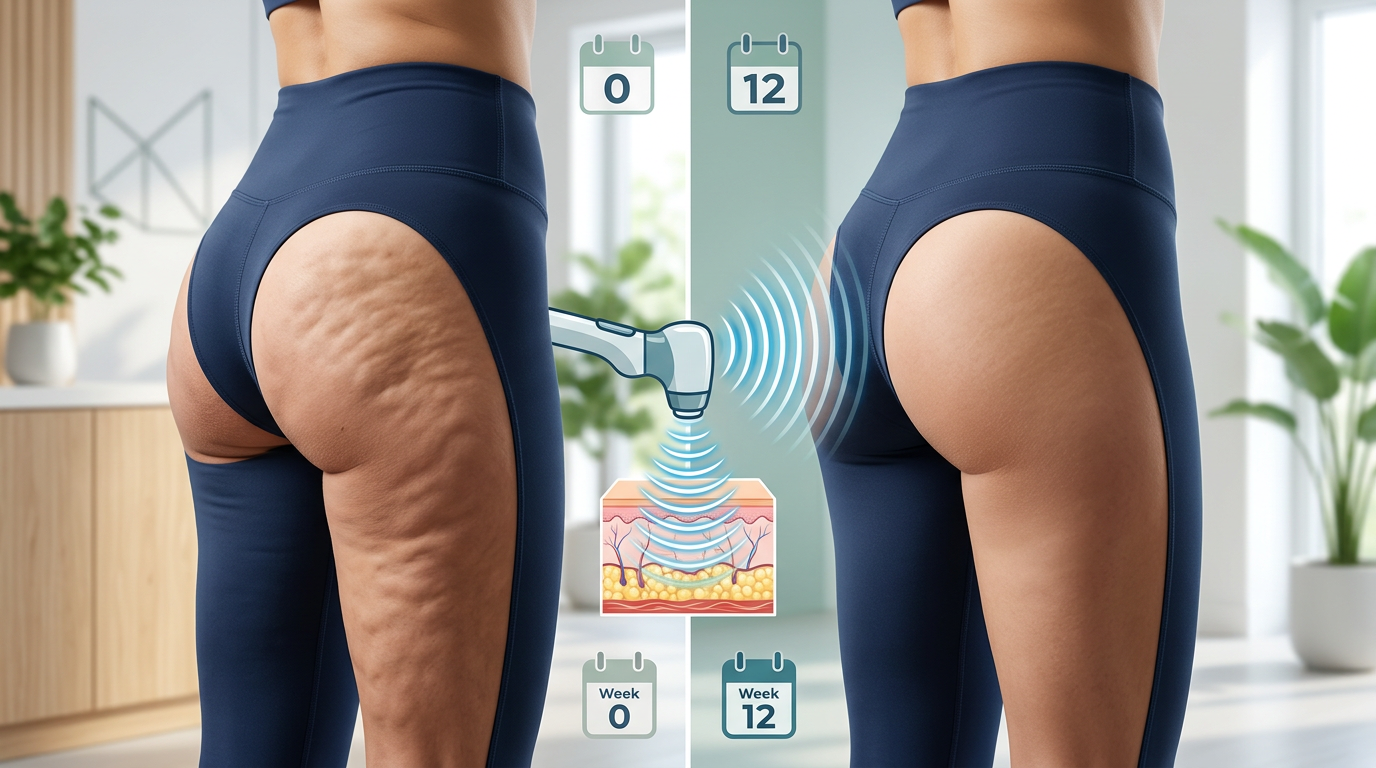
Before and after comparison showing the effects of acoustic wave therapy on butt cellulite appearance over a 12-week period
Acoustic Wave Therapy (Shockwave Therapy)
This non-invasive treatment uses sound waves to break down fibrous bands and stimulate collagen production. Multiple studies show acoustic wave therapy can reduce cellulite appearance by improving skin elasticity and smoothness. Treatment typically involves 6-12 sessions over several weeks, with results lasting 6-12 months.
The therapy works by increasing blood flow to the area, promoting lymphatic drainage, and triggering the body's natural healing response. While not permanent, many women find the results worthwhile when maintained with periodic follow-up sessions.
Laser and Radiofrequency Treatments
Procedures like Cellulaze use laser energy to break up fibrous bands beneath the skin while stimulating collagen production. The treatment involves inserting a small laser fiber under the skin to target the structural causes of cellulite. Results can last a year or more, though the procedure is more invasive and expensive than topical treatments.
Radiofrequency treatments heat the skin and underlying tissue to tighten collagen fibers and improve circulation. These are less invasive than laser procedures and can be combined with other modalities for enhanced results.
Subcision (Cellfina)
This FDA-cleared procedure involves inserting a small blade beneath the skin to cut the fibrous bands pulling down on the skin's surface. By releasing these bands, the skin can bounce back and smooth out. Results can last two years or longer, making it one of the more durable treatment options available.
What About Topical Treatments?
Creams and lotions claiming to reduce cellulite show limited evidence of effectiveness. Ingredients like caffeine, retinol, and aminophylline may produce temporary improvements in skin appearance by increasing circulation or causing mild swelling that plumps the skin, but they don't address the underlying structural causes.
Tretinoin (prescription retinoid) can improve skin thickness and texture over time, which may slightly reduce cellulite visibility, but it won't eliminate the dimpling. If you try topical treatments, maintain realistic expectations and view them as complementary to more effective strategies like strength training.
Prevention Strategies: Building a Cellulite-Resistant Body
Preventing cellulite or minimizing its progression focuses on maintaining muscle mass, supporting skin health, managing body composition, and optimizing hormonal balance through lifestyle practices. While you can't completely prevent cellulite if you're genetically predisposed, these strategies reduce its severity.
Nutrition for Skin and Connective Tissue Health
Your diet directly impacts collagen production, skin elasticity, and inflammation—all factors in cellulite appearance. Prioritize these nutritional strategies:
- Adequate protein: Amino acids from protein are building blocks for collagen and elastin; aim for 0.8-1.2 grams per pound of body weight
- Vitamin C-rich foods: Essential for collagen synthesis; include citrus fruits, berries, bell peppers, and leafy greens
- Omega-3 fatty acids: Reduce inflammation and support skin health; found in fatty fish, walnuts, and flaxseeds
- Antioxidant-rich foods: Combat oxidative stress that damages collagen; eat colorful vegetables, berries, and green tea
- Adequate hydration: Drink 8-10 glasses of water daily to maintain skin plumpness and elasticity
- Collagen supplementation: Some research suggests collagen peptides may improve skin elasticity when taken consistently
Lifestyle Habits That Protect Skin Structure
Beyond nutrition and exercise, several lifestyle factors influence cellulite development:
- Avoid smoking, which damages collagen and reduces circulation to skin
- Manage stress through meditation, adequate sleep, and recovery practices to balance cortisol
- Wear compression garments during long periods of sitting to promote circulation
- Practice dry brushing before showers to stimulate lymphatic drainage (though evidence is limited)
- Avoid restrictive clothing that impairs circulation to the buttocks and thighs
- Maintain stable body weight to prevent skin stretching and loosening
The Role of Consistency Over Quick Fixes
Preventing cellulite requires long-term commitment to healthy habits rather than short-term interventions. Building and maintaining muscle mass throughout your life provides the most significant protective effect against worsening cellulite. Combined with stable body composition, good nutrition, and skin care practices, this approach creates the best possible foundation for smooth, healthy skin.
Understanding Why You're Getting Cellulite on Your Glutes
Cellulite appears on your buttocks because this area has a higher concentration of subcutaneous fat, perpendicular connective tissue bands, and hormonal influences that promote fat storage in women. It's not a sign that you're doing something wrong—it's a natural result of female anatomy and physiology.
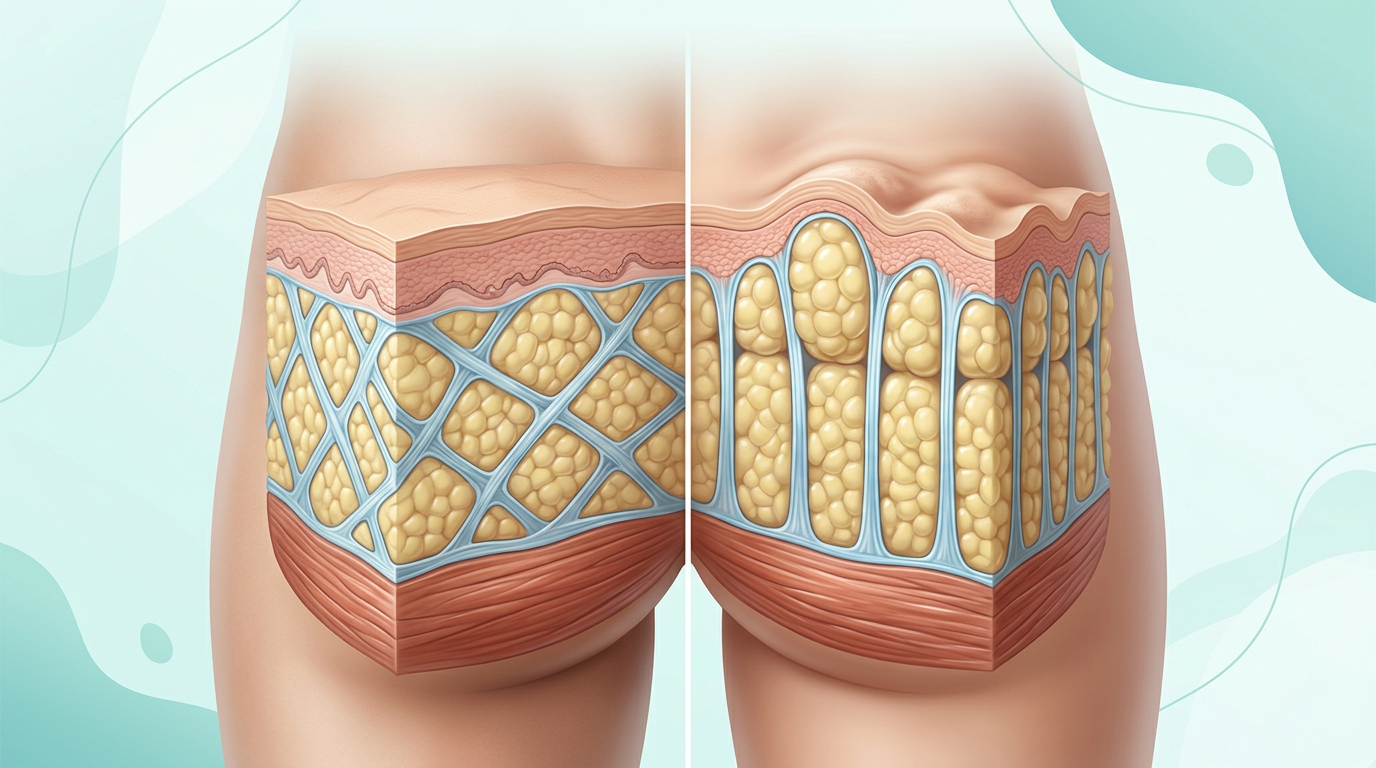
Anatomical illustration comparing male and female connective tissue structure in the buttocks, showing why women are more prone to cellulite
Age-Related Changes
As you age, several factors can make cellulite more noticeable. Skin loses elasticity and thickness due to decreased collagen and elastin production. Muscle mass naturally declines if not actively maintained through strength training. Hormonal changes during perimenopause and menopause alter fat distribution and skin quality.
These age-related changes don't mean cellulite is inevitable or irreversible. Women who maintain muscle mass and strength throughout their lives often experience less dramatic changes in cellulite appearance compared to those who remain sedentary.
Hormonal Fluctuations and Life Stages
Cellulite often becomes more noticeable during periods of hormonal change. Pregnancy increases fat storage and fluid retention while stretching skin. Birth control pills and hormone therapy can influence fat distribution patterns. The postpartum period involves rapid body composition changes that affect skin appearance.
Understanding these natural fluctuations helps you maintain realistic expectations and focus on what you can control: maintaining muscle, eating well, staying active, and supporting your body through transitions.
Creating Your Cellulite-Management Action Plan
The most effective approach to managing butt cellulite combines progressive strength training, body composition optimization, skin health support, and realistic expectations about what's achievable. This multifaceted strategy addresses cellulite from multiple angles for the best possible results.
Your 12-Week Cellulite Improvement Program
Follow this structured approach to see noticeable improvements in three months:
- Weeks 1-4: Establish a glute-focused strength training routine 3x per week, focusing on learning proper form and building the habit
- Weeks 5-8: Increase training intensity through progressive overload while optimizing nutrition for body recomposition
- Weeks 9-12: Continue progressing in strength while adding skin health practices like adequate hydration, collagen-rich nutrition, and dry brushing
- Ongoing: Maintain muscle-building training as a permanent lifestyle practice, adjusting nutrition based on your goals
Tracking Progress Beyond the Scale
Since cellulite improvement involves multiple factors beyond weight, use these methods to track changes:
- Take progress photos in consistent lighting and poses every 4 weeks
- Measure strength gains in key exercises like hip thrusts and squats
- Note changes in how your clothes fit around the buttocks and thighs
- Track energy levels, sleep quality, and overall wellbeing
- Assess skin texture and firmness through touch
Remember that visible changes take time. Most women notice improvements in muscle tone within 6-8 weeks, with cellulite appearance changes becoming evident after 12-16 weeks of consistent effort.
When to Consider Professional Treatments
If you've been consistent with strength training and healthy lifestyle practices for 6+ months and want additional improvements, professional treatments may be worth exploring. Consult with a board-certified dermatologist or plastic surgeon who specializes in body contouring to discuss evidence-based options.
Ideal candidates for professional treatments are those who already maintain healthy habits and want to address stubborn cellulite that hasn't responded to lifestyle interventions. These treatments work best as enhancements to—not replacements for—strength training and proper nutrition.
Embracing Your Body While Working Toward Goals
While this guide provides actionable strategies for managing butt cellulite, it's equally important to recognize that cellulite is a normal characteristic of female bodies, not a flaw requiring correction. The vast majority of women have some degree of cellulite regardless of fitness level, body size, or age.
Working toward cellulite reduction should come from a place of self-care and empowerment rather than shame or inadequacy. Strength training, proper nutrition, and skin health practices offer benefits far beyond appearance—including improved strength, energy, confidence, metabolic health, and longevity.
Celebrate your body's capabilities and the progress you make in strength and performance. Whether your cellulite improves dramatically or remains largely unchanged, you're building a stronger, healthier, more resilient body that serves you well throughout life.
Frequently Asked Questions
Will growing my glutes get rid of cellulite?
Building glute muscle significantly improves cellulite appearance by creating a firmer foundation beneath the skin, but won't eliminate it completely. Strength training with progressive overload tightens and lifts the buttocks, smoothing the skin's surface. Combine muscle building with body composition management for best results.
Why am I getting cellulite on my glutes?
Cellulite appears on your buttocks due to the perpendicular arrangement of connective tissue bands in female bodies, higher subcutaneous fat concentration in this area, and hormonal influences promoting fat storage. It's a natural result of female anatomy, not a sign of poor health or fitness.
Does cellulite go away if you lose weight?
Weight loss can reduce cellulite visibility by decreasing fat volume, but doesn't eliminate it entirely because structural factors remain. Gradual fat loss while maintaining muscle through strength training produces the best results. Rapid weight loss may worsen appearance by leaving skin loose and compromising elasticity.
Can tretinoin remove cellulite?
Tretinoin can improve skin thickness and texture over several months, which may slightly reduce cellulite visibility, but won't remove it. This prescription retinoid works by stimulating collagen production and increasing cell turnover. View it as a complementary approach to strength training and body composition management, not a standalone solution.
How long does it take to see cellulite improvement from exercise?
Most women notice muscle tone improvements within 6-8 weeks of consistent strength training, with cellulite appearance changes becoming evident after 12-16 weeks. Results depend on training intensity, nutrition, starting point, and genetic factors. Progressive overload targeting glutes 3-4 times weekly produces optimal results.
Are expensive cellulite creams worth the money?
Most cellulite creams show limited evidence of effectiveness and provide only temporary improvements in skin appearance. Ingredients like caffeine and retinol may cause mild swelling that temporarily plumps skin, but don't address structural causes. Invest in strength training equipment and quality nutrition instead for lasting results.
Can you prevent cellulite from getting worse?
You can minimize cellulite progression by maintaining muscle mass through strength training, supporting skin health with proper nutrition and hydration, managing stable body composition, and avoiding smoking. While genetic predisposition can't be changed, these practices significantly reduce severity and prevent age-related worsening.
Conclusion
Understanding butt cellulite empowers you to make informed decisions about your body and fitness approach. While cellulite is a natural characteristic of female anatomy that can't be completely eliminated, the strategies outlined in this guide—particularly progressive strength training for glute development, body composition optimization, and skin health support—can produce meaningful improvements in appearance.
The most effective approach combines building muscle mass in the buttocks, managing body fat through moderate caloric control while preserving muscle, supporting collagen production through nutrition, and maintaining realistic expectations. Professional treatments may offer additional benefits when combined with these foundational practices.
Focus on building strength and celebrating what your body can do, knowing that the habits supporting cellulite improvement also enhance your overall health, performance, and wellbeing. Start with a structured glute training program and consistent nutrition practices to see changes within 12-16 weeks.