Body fat percentage women refers to the proportion of fat mass relative to total body weight in females. Healthy ranges vary by age and goals: athletes (14-20%), fitness enthusiasts (21-24%), average health (25-31%), and acceptable ranges (32-39%). Understanding your body fat percentage helps track progress more accurately than weight alone for body recomposition.
Are you tired of watching the scale obsessively, only to feel frustrated when the numbers don't reflect your hard work in the gym? You're not alone. Thousands of women struggle to understand what's really happening with their bodies during their fitness journey. The truth is, your weight tells only a fraction of the story. Body fat percentage women need to understand is the most accurate indicator of body composition, health status, and fitness progress.
Understanding body fat percentage transforms how you approach fitness. Instead of focusing solely on losing pounds, you can concentrate on building lean muscle while reducing fat—a process called body recomposition that creates the strong, sculpted physique you're working toward. Created by certified trainer Shelley Darlington with 15+ years experience, this comprehensive guide will walk you through everything you need to know about body fat percentage, from measurement methods to realistic goal-setting.
Whether you're just starting your fitness journey or you're an experienced lifter looking to fine-tune your physique, this guide provides the science-backed information you need to make informed decisions about your health and body composition goals.
Key Takeaways
- Body fat percentage provides a more accurate picture of health and fitness than weight alone, accounting for muscle mass and body composition
- Healthy body fat ranges for women vary by age and activity level, typically between 21-35% for general health
- Multiple measurement methods exist, from simple visual estimates to advanced DEXA scans, each with varying accuracy levels
- Sustainable fat loss requires a combination of strength training, proper nutrition, and realistic timeline expectations
- Extremely low body fat percentages can disrupt hormones and menstrual cycles, making moderate ranges healthier for most women
Understanding Body Fat Percentage for Women
Body fat percentage represents the amount of your body weight that comes from fat tissue versus lean mass (muscle, bone, organs, and water). Unlike the number on your scale, which can't distinguish between fat loss and muscle loss, body fat percentage gives you a clear picture of your actual body composition.
Why Body Fat Percentage Matters More Than Weight
Two women can weigh exactly the same but look completely different based on their body composition. A woman with more muscle mass and lower body fat will appear leaner, more toned, and typically wear smaller clothing sizes than someone with the same weight but higher body fat.
Muscle tissue is denser than fat tissue, meaning it takes up less space in your body. This explains why you might lose inches from your waist while the scale barely budges—you're building muscle while losing fat, the ultimate fitness win.
How Women's Body Fat Differs from Men's
Women naturally carry more body fat than men due to biological and hormonal differences. This isn't a flaw—it's a feature designed for reproductive health and hormone production. Essential fat for women ranges from 10-13%, compared to just 2-5% for men.
Women also store fat differently, typically accumulating it in the hips, thighs, and buttocks (gynoid distribution), while men tend to store fat in the abdominal area (android distribution). These patterns are influenced by estrogen and testosterone levels.
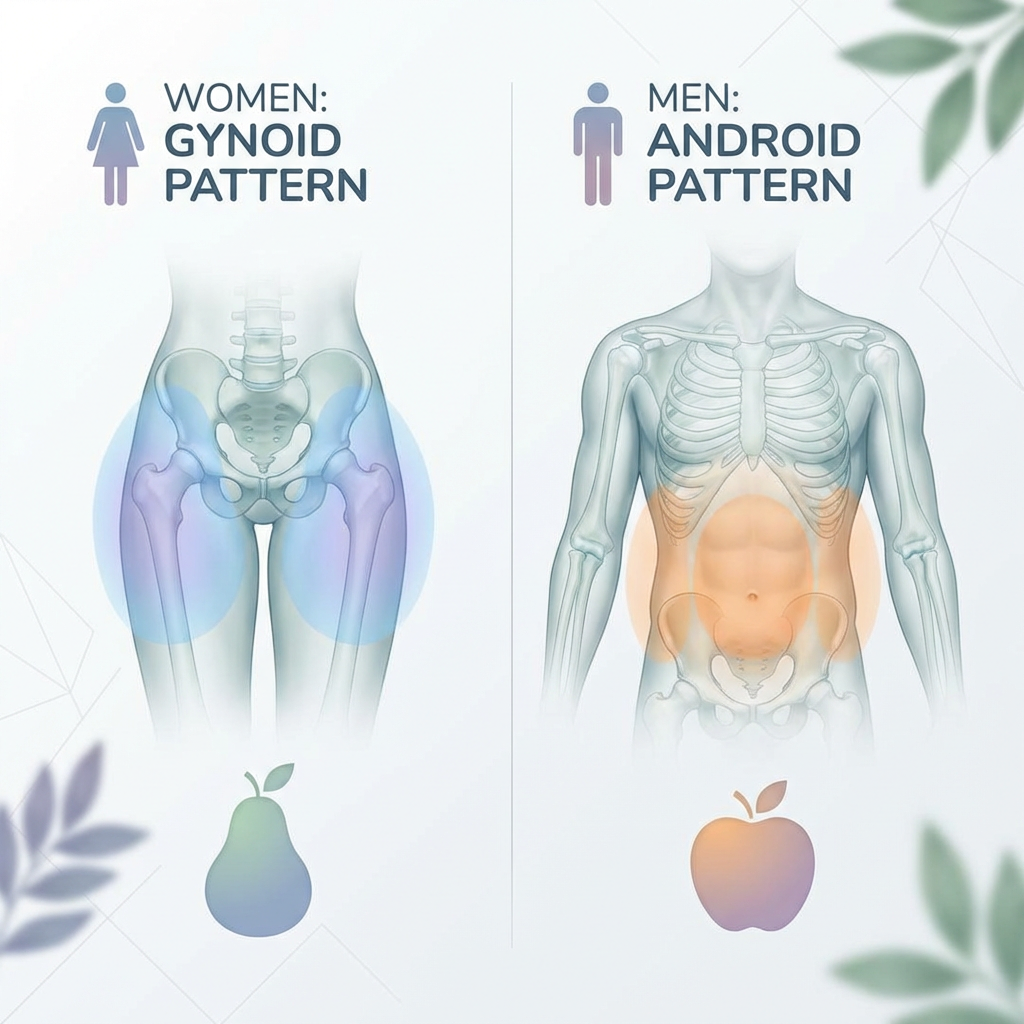
Infographic comparing body fat distribution patterns between women and men, showing gynoid versus android fat storage with anatomical illustrations
What Is a Good Body Fat Percentage for Females?
The ideal body fat percentage for women depends on your age, fitness goals, and lifestyle. There's no single "perfect" number—what matters is finding a healthy range that supports your wellbeing and allows you to feel strong and energized.
Body Fat Percentage Categories for Women
Here's how body fat percentages are typically categorized for women:
- Essential Fat (10-13%): The minimum fat required for basic physiological functions. This level is not sustainable or healthy for most women.
- Athletes (14-20%): Common among competitive athletes and fitness professionals. Requires strict diet and training regimens.
- Fitness (21-24%): A lean, athletic appearance with visible muscle definition. Achievable and maintainable for dedicated fitness enthusiasts.
- Average/Acceptable (25-31%): A healthy range for most women that supports hormonal health and general wellness.
- Overweight (32-39%): Higher risk for health complications, but still within a range where lifestyle changes can make significant improvements.
- Obese (40%+): Associated with increased health risks including cardiovascular disease, diabetes, and metabolic syndrome.
Age-Related Body Fat Considerations
As women age, body fat percentage naturally increases due to hormonal changes, decreased muscle mass, and metabolic shifts. Women 35+ focused on strength training and body recomposition often find that maintaining a slightly higher body fat percentage (23-28%) supports better energy levels, hormone balance, and long-term sustainability.
Trusted by over 50,000 women worldwide, the approach of accepting these natural changes while focusing on building strength has proven more effective than fighting against your body's natural aging process.
Visual Guide: What Different Body Fat Percentages Look Like
Understanding what various body fat percentages actually look like on a female body helps set realistic expectations and identify where you currently stand.
What Does 20% Body Fat Look Like on a Female?
At 20% body fat, a woman typically displays visible muscle definition, particularly in the arms and shoulders. The abs may show some definition, especially in good lighting or when flexed, and there's minimal fat covering the muscle groups. This is a lean, athletic look that requires consistent training and nutrition habits.
Women at this level usually have well-defined legs with visible muscle separation, a flat stomach with potential ab visibility, and prominent shoulder and arm definition. This range is popular among fitness competitors during off-season and serious fitness enthusiasts.
What Is 30% Body Fat for a Female?
At 30% body fat, a woman appears healthy and fit without extreme leanness. There's a soft, feminine appearance with curves in the hips and thighs. Muscle definition is less visible, though the body still appears toned with regular exercise.
This percentage represents a comfortable, sustainable level for many women who exercise regularly but don't follow strict dietary protocols. It supports hormonal health, maintains energy levels, and allows for social flexibility with food choices.
Is 15% Body Fat Good for a Girl?
At 15% body fat, a woman is extremely lean with highly visible muscle definition across all body parts. While this level is achievable, it's not ideal or sustainable for most women long-term. Body fat this low often disrupts menstrual cycles, reduces bone density, affects mood and energy, and can compromise immune function.
This range is typically only maintained by competitive athletes during peak season and requires significant lifestyle sacrifices. For the average woman seeking health and fitness, aiming for 21-28% is more appropriate and sustainable.
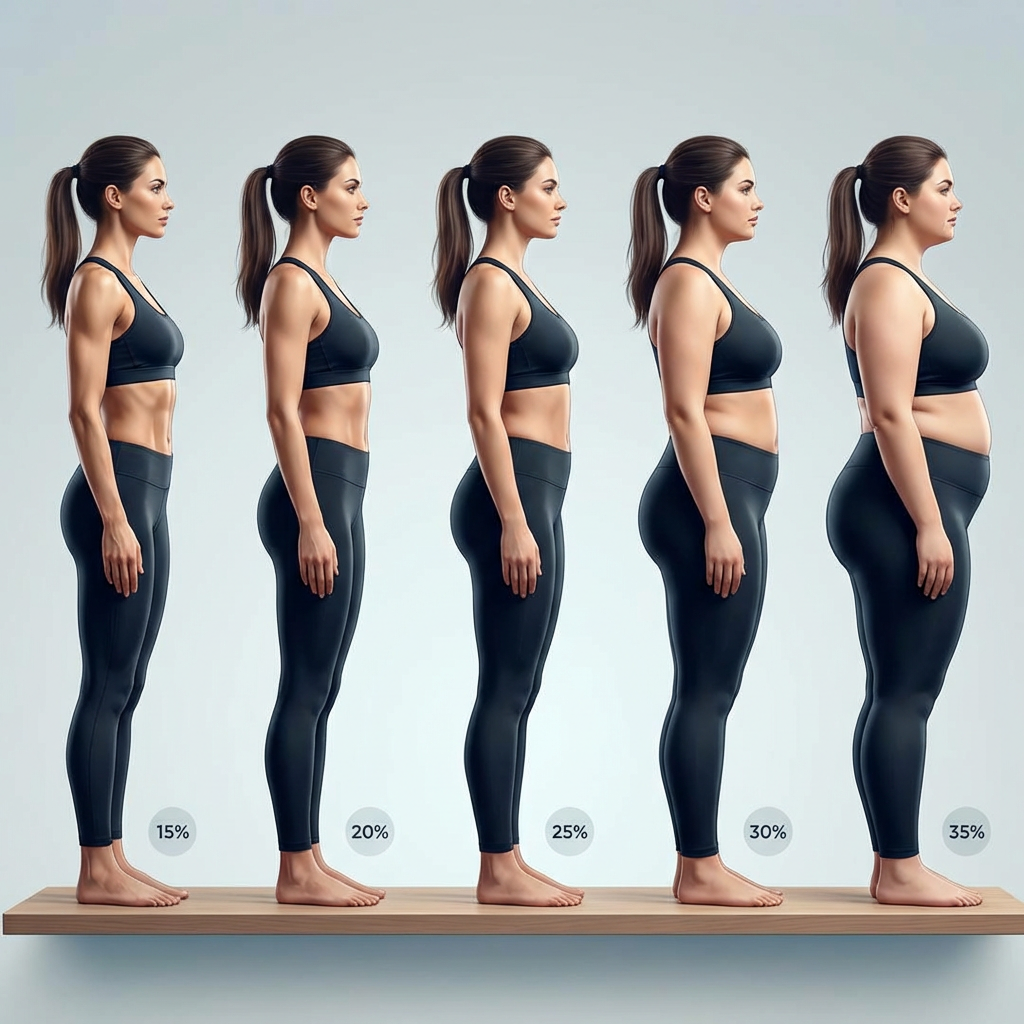
Visual comparison chart showing female body silhouettes at 15%, 20%, 25%, 30%, and 35% body fat with realistic illustrations highlighting muscle definition and body shape differences
How to Measure Body Fat Percentage Women Can Trust
Accurately measuring your body fat percentage helps track progress and adjust your fitness and nutrition strategies. Several methods exist, each with different accuracy levels, costs, and accessibility.
DEXA Scan (Dual-Energy X-ray Absorptiometry)
DEXA scans are considered the gold standard for body composition analysis. This medical imaging technique uses low-dose X-rays to distinguish between bone mass, lean tissue, and fat tissue with approximately 98% accuracy.
A DEXA scan provides detailed information about fat distribution throughout your body, including visceral fat around organs. The procedure takes 10-20 minutes, costs $50-150 per scan, and is available at medical facilities and some fitness centers.
Hydrostatic Weighing (Underwater Weighing)
This method calculates body density by comparing your weight on land versus your weight fully submerged in water. Fat is less dense than muscle, so people with higher body fat percentages weigh less underwater.
Hydrostatic weighing offers 97-98% accuracy but requires specialized equipment and can be uncomfortable for those who dislike being submerged. It typically costs $40-75 per test.
Bod Pod (Air Displacement Plethysmography)
Similar to hydrostatic weighing but using air displacement instead of water, the Bod Pod measures body volume in a sealed chamber. It's accurate (within 97-98%), quick (5 minutes), and more comfortable than underwater weighing. Costs range from $45-75 per session.
Bioelectrical Impedance Analysis (BIA)
BIA devices send a weak electrical current through your body to estimate body fat based on electrical resistance. Fat tissue conducts electricity poorly compared to muscle tissue, which contains more water.
Accuracy varies significantly (±3-5%) depending on hydration status, recent food intake, and device quality. Home scales with BIA are affordable ($30-100) but less accurate than medical-grade devices ($1,000-5,000).
Skinfold Calipers
This method involves pinching the skin at specific body sites and measuring the thickness with calipers. The measurements are plugged into formulas to estimate total body fat percentage.
When performed by experienced practitioners using consistent technique, calipers offer reasonable accuracy (±3-4%). They're inexpensive ($5-50) and portable, making them accessible for regular tracking. However, user error significantly impacts accuracy.
Visual Estimation and Progress Photos
While not numerically precise, comparing your appearance to body fat percentage charts and tracking progress photos provides valuable feedback. In our experience with thousands of Strong Curves app users, progress photos often reveal changes that numbers alone can't capture.
Take photos every 2-4 weeks in consistent lighting, clothing, and poses to track visual changes in body composition.
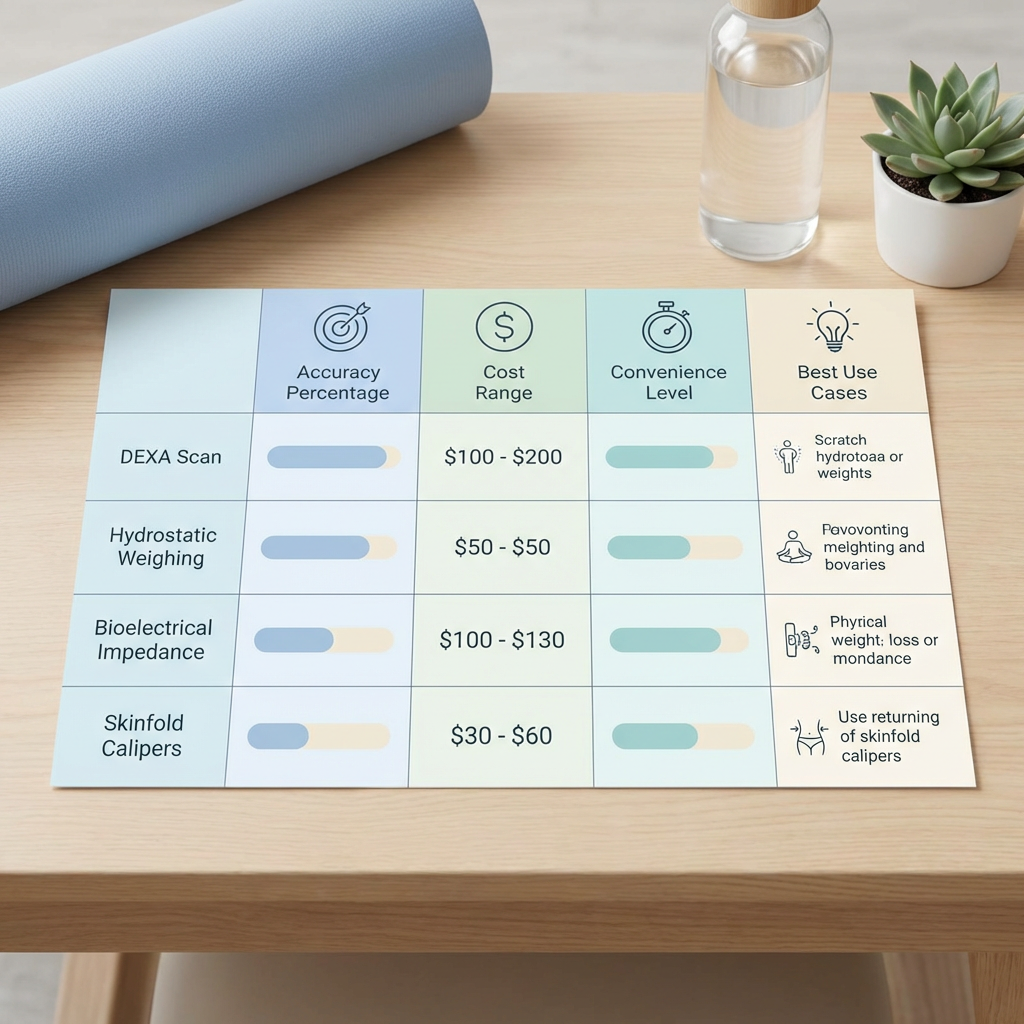
Comparison table showing different body fat measurement methods with columns for accuracy percentage, cost range, convenience level, and best use cases
How to Lower Body Fat Percentage: Best Strategies for Women
Reducing body fat percentage requires a strategic combination of nutrition, strength training, and lifestyle factors. Crash diets and excessive cardio aren't the answer—sustainable fat loss comes from building muscle while creating a moderate calorie deficit.
Prioritize Strength Training Over Cardio
Strength training is the most effective exercise for improving body composition. Building muscle increases your resting metabolic rate, meaning you burn more calories even at rest. The Strong Curves glute-focused approach to functional fitness emphasizes compound movements that build strength throughout your entire body.
Aim for 3-4 strength training sessions per week, focusing on progressive overload—gradually increasing weight, reps, or sets over time. This stimulus forces your body to adapt by building lean muscle tissue.
Compound exercises like squats, deadlifts, hip thrusts, rows, and presses should form the foundation of your program. These movements engage multiple muscle groups simultaneously, creating the greatest metabolic and hormonal response.
Create a Moderate Calorie Deficit
To lose fat, you must consume fewer calories than you burn. However, extreme deficits backfire by slowing metabolism, increasing hunger hormones, and promoting muscle loss alongside fat loss.
A moderate deficit of 300-500 calories below your maintenance level allows for steady fat loss (0.5-1% body weight per week) while preserving muscle mass. This approach is sustainable and prevents the metabolic adaptation that occurs with aggressive dieting.
Optimize Protein Intake
Protein is essential for maintaining muscle mass during fat loss. It also increases satiety, has a higher thermic effect (your body burns more calories digesting protein), and supports recovery from strength training.
Target 0.7-1.0 grams of protein per pound of body weight daily. For a 150-pound woman, this means 105-150 grams of protein spread across 3-4 meals. Quality sources include chicken, fish, lean beef, eggs, Greek yogurt, cottage cheese, and plant-based options like tofu and legumes.
Don't Fear Carbohydrates
Carbohydrates fuel your workouts and support muscle recovery. While low-carb diets can create initial weight loss (mostly water), they're not necessary for fat loss and can impair training performance.
Focus on timing carbohydrates around your workouts when your body uses them most efficiently. Include complex carbohydrates like sweet potatoes, rice, oats, and fruits to maintain energy levels and workout intensity.
Manage Sleep and Stress
Poor sleep and chronic stress elevate cortisol, a hormone that promotes fat storage (particularly abdominal fat) and muscle breakdown. They also disrupt hunger hormones, increasing cravings for high-calorie foods.
Prioritize 7-9 hours of quality sleep nightly and implement stress management techniques like meditation, yoga, or simply taking regular breaks throughout your day. These lifestyle factors are just as important as diet and exercise for body composition.
Be Patient and Consistent
Sustainable fat loss takes time. Expect to lose 0.5-1% of your body weight per week, which translates to roughly 0.5-2 pounds weekly depending on your starting weight. A woman at 30% body fat aiming for 25% might need 3-6 months of consistent effort, not 3-6 weeks.
Focus on building habits you can maintain long-term rather than following extreme protocols that lead to burnout and rebound weight gain.
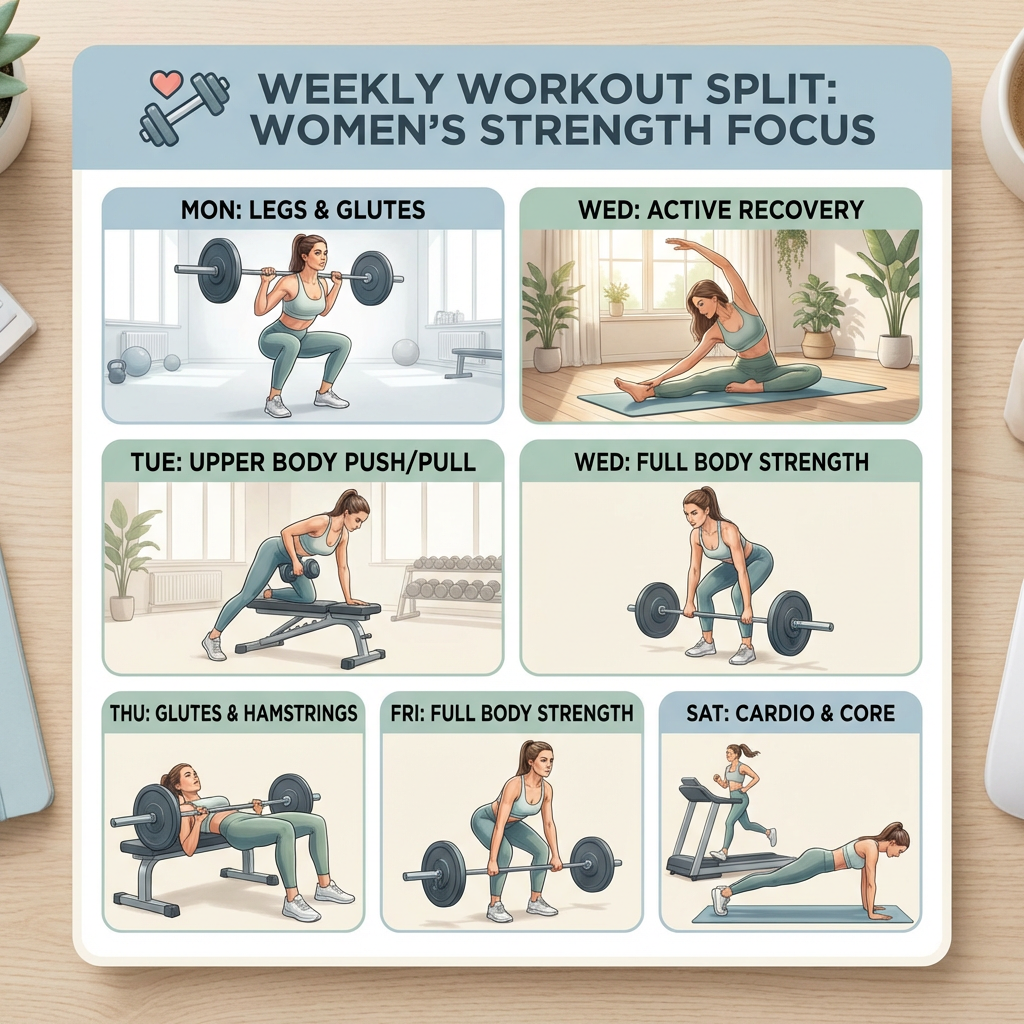
Step-by-step visual guide showing a weekly workout split for women focusing on strength training, with illustrations of key exercises like squats, hip thrusts, and deadlifts
Common Body Fat Percentage Mistakes Women Make
Avoiding these common pitfalls will help you reach your body composition goals more efficiently and sustainably.
Obsessing Over the Scale
Daily weight fluctuations of 2-5 pounds are completely normal due to water retention, hormonal cycles, sodium intake, and digestive contents. These fluctuations have nothing to do with fat gain or loss.
Instead of daily weigh-ins that cause unnecessary stress, track your weight weekly at the same time under the same conditions, and focus more on how your clothes fit and how you look in progress photos.
Doing Excessive Cardio While Neglecting Strength Training
Hours of cardio without strength training leads to a "skinny fat" appearance—lower weight but poor muscle definition and higher body fat percentage. Cardio burns calories during the activity, but strength training builds muscle that burns calories 24/7.
Limit cardio to 2-3 sessions weekly of 20-30 minutes, and prioritize strength training for better body composition results.
Eating Too Little
Severe calorie restriction slows your metabolism, increases hunger hormones, promotes muscle loss, and often leads to binge eating. The "eat less, move more" approach has a poor long-term success rate.
Eat enough to fuel your workouts and daily activities. If you're constantly exhausted, irritable, and experiencing intense cravings, you're likely eating too little.
Comparing Yourself to Others
Your genetics, body structure, muscle insertion points, and fat distribution patterns are unique. Comparing your 25% body fat to someone else's 25% is meaningless—you'll look different due to individual factors.
Focus on your own progress and becoming the strongest, healthiest version of yourself rather than trying to look exactly like someone else.
Setting Unrealistic Body Fat Goals
Aiming for extremely low body fat percentages that require unsustainable habits sets you up for disappointment and potential health problems. The body fat percentage that looks good in photos may not be the percentage where you feel your best physically and mentally.
Choose a target range that allows you to maintain your social life, energy levels, menstrual regularity, and mental wellbeing.
Body Fat Percentage and Hormonal Health
Your body fat percentage directly impacts hormone production and reproductive health. Understanding this connection helps you set appropriate goals that support overall wellness.
The Menstrual Cycle Connection
Body fat produces estrogen, and extremely low body fat percentages (below 18-20%) can disrupt menstrual cycles or cause amenorrhea (absence of periods). This condition, called hypothalamic amenorrhea, signals that your body doesn't have sufficient energy reserves to support reproduction.
Missing periods isn't just an inconvenience—it indicates hormonal dysfunction that affects bone density, cardiovascular health, mood, and long-term fertility. If your period becomes irregular or stops while dieting or training intensely, increase your calorie intake and reduce training volume.
Optimal Range for Hormonal Balance
Most women maintain optimal hormonal function with body fat percentages between 22-30%. This range supports regular menstrual cycles, adequate energy levels, stable mood, and healthy libido.
If you're experiencing hormonal symptoms (irregular periods, low energy, mood swings, poor sleep, low libido), your body fat percentage may be too low for your individual needs, even if it falls within "normal" ranges.
Perimenopause and Menopause Considerations
During perimenopause and menopause, declining estrogen levels change fat distribution patterns, often increasing abdominal fat storage. Maintaining muscle mass through consistent strength training becomes even more critical during this life stage.
Accepting a slightly higher body fat percentage during this transition supports better bone health, hormone production, and overall quality of life.
Maintaining Your Ideal Body Fat Percentage
Reaching your goal body fat percentage is one achievement; maintaining it long-term is another. Sustainable maintenance requires finding a balance that doesn't consume your entire life.
The Reverse Diet Approach
After reaching your goal, gradually increase calories by 50-100 per week while monitoring your weight and measurements. This reverse dieting approach helps restore your metabolic rate and allows you to maintain your new physique while eating more food.
Most women can add 300-500 calories back to their diet over several months without regaining significant fat, especially if they continue strength training consistently.
The 80/20 Nutrition Principle
Maintaining body composition doesn't require perfection. Following structured nutrition principles 80% of the time while allowing flexibility for social events, treats, and spontaneity the other 20% creates a sustainable lifestyle.
Rigid dietary rules often lead to all-or-nothing thinking that sabotages long-term success. Building a healthy relationship with food matters more than perfect adherence to any specific diet.
Ongoing Strength Training
Continue strength training 3-4 times weekly even after reaching your goals. Muscle mass naturally declines with age, and consistent training is the most effective way to preserve it.
You don't need to train as intensely as during your fat loss phase, but maintaining the habit prevents backsliding and supports long-term health and independence as you age.
Regular Progress Checks
Monitor your body composition every 4-8 weeks using your preferred measurement method. This frequency is enough to catch unwanted changes early without becoming obsessive.
If you notice your body fat percentage creeping up, make small adjustments to your nutrition or activity levels rather than implementing drastic changes that aren't sustainable.
Frequently Asked Questions
What is a good body fat percentage for females?
A healthy body fat percentage for women ranges from 21-35% depending on age and fitness level. Athletes typically maintain 14-20%, fitness enthusiasts 21-24%, and average healthy women 25-31%. Choose a range that supports your energy, hormonal health, and lifestyle sustainability.
What does 20% body fat look like on a female?
At 20% body fat, women display visible muscle definition in arms, shoulders, and legs with potential ab definition when flexed. This lean, athletic appearance shows minimal fat covering muscle groups and requires consistent training and nutrition habits to maintain.
What is 30% body fat for a female?
At 30% body fat, women appear healthy and fit with a soft, feminine appearance and natural curves. Muscle definition is less visible but the body looks toned with regular exercise. This sustainable level supports hormonal health and allows dietary flexibility.
Is 15% body fat good for a girl?
While 15% body fat shows extreme leanness and muscle definition, it's not ideal for most women long-term. This level often disrupts menstrual cycles, reduces bone density, and affects energy and mood. A range of 21-28% is healthier and more sustainable.
How long does it take to lower body fat percentage by 5%?
Reducing body fat percentage by 5% typically takes 3-6 months with consistent strength training and proper nutrition. Safe fat loss occurs at 0.5-1% of body weight weekly. A 150-pound woman losing 0.75 pounds weekly would need approximately 15-20 weeks to drop 5% body fat.
Can you see abs at 25% body fat female?
Most women don't see visible ab definition at 25% body fat. Ab visibility typically requires 18-22% body fat combined with developed abdominal muscles. However, individual fat distribution patterns vary, so some women may see slight definition while others need lower percentages.
Which body fat measurement method is most accurate?
DEXA scans are the most accurate body fat measurement method with 98% accuracy. They distinguish between bone, lean tissue, and fat throughout your body. Hydrostatic weighing and Bod Pod also offer high accuracy (97-98%) at lower costs than DEXA.
Take Control of Your Body Composition Journey
Understanding body fat percentage women need for optimal health transforms your entire approach to fitness. Instead of chasing arbitrary numbers on the scale, you can now focus on building strength, developing lean muscle, and achieving a body composition that supports your health, energy, and confidence.
Remember these key principles as you move forward:
- Body fat percentage provides more valuable information than weight alone for tracking fitness progress and health status
- Healthy ranges vary by individual—choose a goal that supports your hormonal health, energy levels, and lifestyle sustainability
- Strength training is non-negotiable for improving body composition and maintaining results long-term
- Sustainable progress takes time—expect 3-6 months to see significant body composition changes with consistent effort
- Extremely low body fat percentages aren't healthier and often compromise hormonal function and overall wellbeing
Your body fat percentage is just one metric in your overall health picture. How you feel, your strength gains, your energy levels, and your relationship with fitness and food matter just as much as any number. Focus on building habits you can maintain for years, not weeks, and celebrate every small victory along the way.
Ready to start your transformation? The Strong Curves app provides structured workout programs, progress tracking tools, and a supportive community of women working toward similar goals. Download the app today and take the first step toward building the strong, confident body you deserve.